

When you search for best locro de zapallo near me, you’re looking for more than a simple bowl of food. You’re searching for a warm, comforting dish with a rich cultural story, creamy squash, tender potatoes, sweet corn, peas, cheese, and the gentle heat of traditional Peruvian seasoning. Locro de zapallo is a wonderful example of how simple ingredients can come together to create something deeply satisfying.
Locro is an old Andean-style stew with many regional versions across South America. In the Peruvian tradition, locro de zapallo is especially known for its thick texture and use of squash, potatoes, corn, peas, cheese, milk, onion, garlic, and chili. Traditional preparations are commonly served with white rice and may include an egg or another protein.
Finding authentic locro de zapallo locally can sometimes be a little tricky because it isn’t as widely listed on restaurant menus as famous dishes such as ceviche, lomo saltado, or empanadas. Still, don’t worry. With the right approach, you can improve your chances of finding a genuine version, recognize a good preparation, and even discover restaurants or home cooks offering this comforting specialty.
What Is Locro de Zapallo?
Locro de zapallo is a traditional squash-based stew associated strongly with Peruvian cuisine and the wider Andean food tradition. The Spanish word “zapallo” refers to squash or pumpkin, while the word locro has roots in Quechua terminology connected with a thick stew. The dish has developed into several regional styles throughout the Andes.
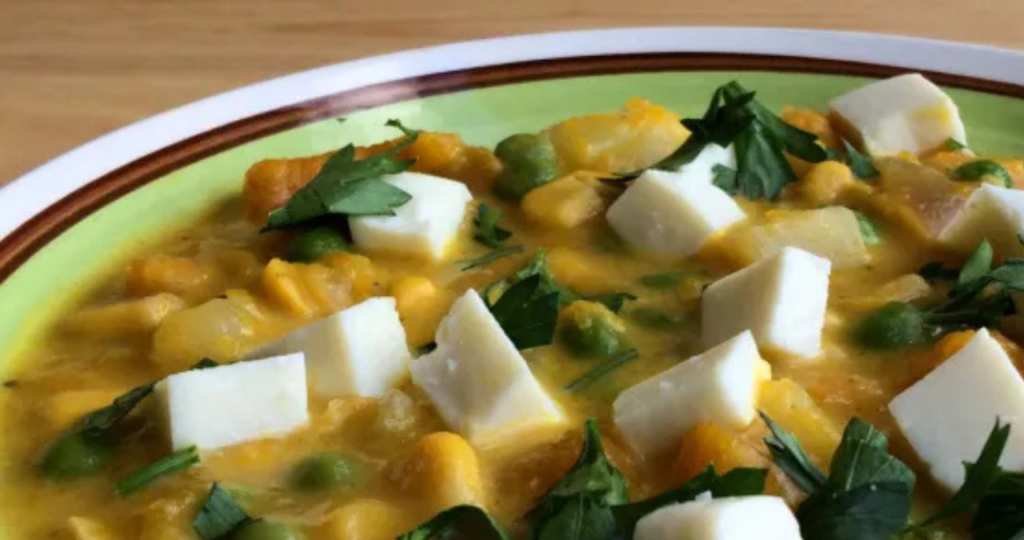
The Peruvian version is generally thick rather than watery. The squash slowly breaks down during cooking, creating a naturally creamy base. Potatoes add body, while corn and peas provide sweetness and texture. Fresh cheese and milk can make the stew even smoother and richer.
A traditional preparation may include:
- Squash or pumpkin
- Potatoes
- Fresh corn or choclo
- Green peas
- Onion
- Garlic
- Ají or another mild chili
- Fresh cheese
- Milk
- Oregano
- Salt and pepper
- Huacatay in some versions
- White rice as a side dish
One of the most appealing things about this dish is its simplicity. It doesn’t need an enormous list of expensive ingredients. Instead, the quality of each ingredient and the care used during cooking make the real difference.
Why People Search for the Best Locro de Zapallo Near Me
Searching for best locro de zapallo near me often starts with a craving for something comforting and homemade. Unlike fast food, this stew has a gentle, traditional character that makes it suitable for a relaxed lunch or dinner.
The dish also appeals to people who enjoy vegetable-based meals. Traditional Peruvian locro de zapallo can be vegetarian, although restaurant versions may sometimes add meat or serve the stew alongside meat, eggs, or other proteins.
Another reason people seek it out is cultural curiosity. If you’ve already tried popular Latin American foods, locro offers a chance to explore a less familiar but equally interesting part of Andean cuisine.
When you’re searching locally, however, keep in mind that the exact name may not always appear on a restaurant’s online menu. A restaurant might describe it as:
- Peruvian squash stew
- Pumpkin stew
- Andean squash stew
- Locro
- Locro Peruano
- Locro de zapallo
- Peruvian vegetable stew
Trying several search terms can make a big difference.
The Cultural Story Behind Locro de Zapallo
Locro has deep roots in Andean food culture. Historical and culinary sources connect the dish to pre-Hispanic and pre-Inca traditions, when ingredients such as potatoes, corn, and squash were important parts of Andean diets. Over time, different regions developed their own versions.
The dish isn’t limited to one modern country. Versions of locro are found across several South American regions, including Peru, Ecuador, Bolivia, Argentina, Chile, Paraguay, and parts of Colombia. The ingredients and cooking methods can vary significantly from place to place.
In Peru, locro de zapallo became a familiar home-style dish. Its warm color, thick texture, and simple ingredients make it especially suitable for family meals. Some traditional recipes use Peruvian macre squash, while others adapt the dish according to the ingredients available in a particular home or region.
This history helps explain why there isn’t one single recipe that everyone must follow. In fact, variation is part of the charm.
What Makes the Best Locro de Zapallo Special?
Not every squash stew will taste like authentic locro de zapallo. The best preparation usually has balance. The squash should be naturally sweet and soft without turning the entire dish into a dessert.
The potatoes should remain tender while still offering some texture. Corn and peas should be cooked but not completely lost in the sauce. Cheese should add richness without overpowering the vegetables.
A good locro should also have a flavorful base. Onion, garlic, chili, and herbs are important because they give the squash depth. A recipe from Peruvian culinary tradition, for example, combines onion, garlic, ají, oregano, squash, peas, corn, cheese, and milk.
Here are some signs of a well-made bowl:
| Feature | What to Look For |
|---|---|
| Texture | Thick, creamy, and rustic rather than watery |
| Squash | Soft, flavorful, and naturally sweet |
| Potatoes | Tender but not completely broken down |
| Corn | Sweet and pleasantly chewy |
| Peas | Fresh-tasting and bright |
| Seasoning | Balanced onion, garlic, herbs, and chili |
| Cheese | Mild, creamy, and not overpowering |
| Aroma | Warm, savory, and gently earthy |
| Serving | Often paired with rice, egg, cheese, or other accompaniments |
| Overall taste | Comforting, savory, mildly sweet, and satisfying |
When searching for best locro de zapallo near me, these details can help you separate an authentic-style preparation from an ordinary pumpkin soup.
How to Search for Best Locro de Zapallo Near Me
Finding this specialty requires a slightly different search strategy from finding common restaurant dishes.
Start with the exact phrase best locro de zapallo near me. Then try related searches that use broader descriptions. This is useful because small restaurants, family kitchens, caterers, and specialty food sellers may not always optimize their menus around the Spanish name.
Useful search phrases include:
- best locro de zapallo near me
- Peruvian food near me
- Peruvian squash stew near me
- authentic Peruvian food nearby
- Andean food near me
- locro Peruano near me
- Peruvian homemade food nearby
- Latin American restaurants near me
- Peruvian lunch specials nearby
Don’t stop at the first search result. Read menus carefully and check recent customer comments. If the dish isn’t listed, you can contact the restaurant and ask whether locro de zapallo is available on the day you’re planning to visit.
This matters because traditional dishes are sometimes offered as daily specials rather than permanent menu items.
What to Look for in Restaurant Reviews
Reviews can be incredibly useful when you’re trying to find the best locro de zapallo near me.
Instead of looking only at the restaurant’s overall rating, search reviews for specific words such as “locro,” “squash,” “Peruvian,” “homemade,” “authentic,” and “stew.”
Pay attention to comments describing:
- Fresh ingredients
- Homemade flavor
- Traditional seasoning
- Creamy texture
- Generous portions
- Good-quality cheese
- Properly cooked potatoes
- Fresh corn and peas
- Friendly service
- Consistent food quality
Photos can also provide helpful clues. A good locro de zapallo should generally look thick and hearty rather than like a thin pumpkin soup.
Of course, appearance isn’t everything. A dish can look simple and still taste fantastic. As the saying goes, don’t judge a book by its cover—or a stew by its color alone.
Understanding the Main Ingredients
The ingredients tell you a lot about the character of locro de zapallo.
Squash
Squash is the star of the dish. As it cooks, it becomes soft and helps create the thick, creamy body of the stew.
Traditional Peruvian recipes may use macre squash, although suitable squash varieties can vary depending on location and availability.
Potatoes
Potatoes add substance and make the meal more filling. They can either remain in soft chunks or partly break down into the stew.
Corn
Corn, often called choclo in Peru, adds sweetness and a pleasant bite. It creates a nice contrast with the soft squash and potatoes.
Peas
Green peas bring freshness and color. They also add a slightly sweet flavor that works beautifully with squash.
Cheese
Fresh cheese provides richness and a mild salty note. Some modern recipes may use mozzarella or another soft cheese, while traditional recipes can call for fresh cheese.
Milk
Milk gives the stew a smoother finish. Some versions use evaporated milk, while others use ordinary milk or another dairy ingredient.
Ají
Ají adds character. The goal isn’t necessarily to make the dish extremely hot. Instead, the chili should contribute flavor and gentle warmth.
Peruvian Locro Versus Other Locro Styles
One important point when searching for best locro de zapallo near me is that “locro” doesn’t mean exactly the same thing everywhere.
In Peru, locro de zapallo is strongly associated with squash, potatoes, corn, peas, cheese, and other vegetables. It can be served as a vegetarian dish and often appears with rice.
Ecuador has its own locro traditions. Ecuadorian locro often focuses more heavily on potatoes and cheese, with variations that may include different vegetables or meats. Ecuadorian sources also describe several varieties of locro.
Argentina has another famous locro tradition, often associated with hearty preparations containing corn, beans, meat, and other ingredients.
So, if you’re specifically craving Peruvian locro de zapallo, make sure the restaurant’s version matches what you’re looking for.
How Locro de Zapallo Is Traditionally Served
Presentation may be simple, but that doesn’t mean it lacks character.
A traditional Peruvian serving can include the thick squash stew alongside white rice. Fresh cheese may be placed into the stew or served with it. Eggs, meat, or other accompaniments can also appear depending on the recipe.
A typical serving might include:
- A generous bowl of locro
- White rice
- Fresh cheese
- Fried egg
- Olives
- Onion salsa
- Optional meat or chicken
The combination works because the rice provides a neutral base while the stew delivers the main flavor.
If you’re eating locro for the first time, try a bite of the stew on its own before mixing it with the rice. That way, you can appreciate the seasoning and texture before adding the accompaniments.
Vegetarian Diners and Locro de Zapallo
One of the best things about traditional Peruvian locro de zapallo is that it can be vegetarian.
A classic preparation can focus entirely on squash, potatoes, corn, peas, cheese, milk, herbs, and seasonings. However, restaurant recipes aren’t always identical, so vegetarian diners should ask about the cooking process.
Before ordering, consider asking:
- Is the locro vegetarian?
- Is the cooking broth vegetable-based?
- Does the dish contain chicken or meat stock?
- Is the cheese suitable for my dietary needs?
- Is the dish cooked with lard?
- Can the egg or meat accompaniment be removed?
A quick question can save you from an unpleasant surprise.
How to Judge Authenticity Without Being Too Strict
Authenticity is useful, but it shouldn’t become a rigid rule.
Food traditions naturally change. Families adjust recipes. Restaurants adapt to local ingredients. Chefs sometimes introduce creative touches while keeping the spirit of the original dish.
For example, a modern restaurant may use a different soft cheese because the traditional cheese isn’t available locally. That doesn’t automatically make the dish poor.
Instead, focus on the core qualities:
- Squash should remain the main flavor.
- The stew should be thick and comforting.
- Potatoes should be tender.
- Corn and peas should contribute texture.
- Seasoning should be savory and balanced.
- Cheese and milk should add richness without taking over.
- The dish should feel like a hearty stew rather than a sweet pumpkin puree.
That’s a more practical way to evaluate your search for best locro de zapallo near me.
When Is the Best Time to Order Locro?
Locro can be enjoyed throughout the year, but many people naturally associate thick stews with cooler weather.
It makes an especially satisfying lunch because it is filling without needing an enormous amount of meat. The combination of squash, potatoes, corn, peas, cheese, and rice creates a substantial meal.
It’s also a good choice when you’re tired of the usual restaurant options. Sometimes a comforting bowl of traditional food hits the spot far better than another sandwich or plate of fried food.
If a restaurant lists locro as a special, it’s worth checking when the special is available. Traditional dishes are sometimes prepared in limited batches.
Questions to Ask Before Ordering
If you’re serious about finding the best locro de zapallo near me, don’t be afraid to ask questions.
A good restaurant should be able to tell you what goes into its dish.
You might ask:
Is this Peruvian-style locro de zapallo?
This helps distinguish it from other forms of locro.
Is it vegetarian?
Useful if you don’t eat meat.
What type of squash do you use?
The answer can tell you more about the restaurant’s approach.
Does it come with rice?
Many Peruvian versions are served with white rice.
Is the cheese mixed into the stew?
This can affect both texture and flavor.
Is it spicy?
Ají can range from mild to more noticeable depending on the recipe.
These questions are simple, but they can help you choose with confidence.
Making Locro de Zapallo at Home
If your local search doesn’t produce the result you’re hoping for, making locro at home is another excellent option.
The basic process isn’t complicated. A traditional recipe begins by preparing a flavorful base with onion, garlic, chili, and oregano. Squash, potatoes, peas, and corn are then cooked until tender. Cheese and milk are added toward the end to create a creamy finish.
The most important tip is patience.
Let the squash soften naturally instead of rushing the cooking process. As it breaks down, it creates the thick consistency that makes locro so comforting.
You don’t need to blend everything into a perfectly smooth puree. A rustic texture is part of the appeal.
A reliable home approach is:
- Prepare the squash and potatoes.
- Chop the onion and garlic.
- Sauté the aromatics with the chili and herbs.
- Add the vegetables.
- Cook gently until tender.
- Allow some squash to break down naturally.
- Add peas and corn at the appropriate stage.
- Stir in milk and cheese near the end.
- Taste and adjust the seasoning.
- Serve immediately with rice or your preferred accompaniment.
The exact cooking method varies from recipe to recipe, but the basic idea remains wonderfully straightforward.
Common Mistakes to Avoid
Even a simple dish can go wrong. If you’re judging a restaurant version, watch for the following problems.
Too Much Liquid
Locro should generally be thick and hearty. A watery preparation can lose the rustic character that makes the dish special.
Overcooked Vegetables
The squash should become soft, but corn and peas should still offer some texture.
Excessive Heat
Chili should add flavor rather than completely cover the taste of the squash.
Too Much Cheese
Cheese should support the dish, not turn it into a heavy cheese sauce.
Lack of Seasoning
Squash has a naturally mild sweetness. Without onion, garlic, herbs, and chili, the final dish can taste flat.
Poor-Quality Squash
Because squash is the central ingredient, its quality matters enormously.
A restaurant can use all the right ingredients, but if the main squash lacks flavor, the dish may fall short.
Comparing Different Places to Find Locro
When searching for best locro de zapallo near me, consider more than standard restaurants.
| Place to Search | Potential Advantage | What to Check |
| Peruvian restaurant | More likely to know traditional recipes | Current menu and daily specials |
| Latin American restaurant | May offer regional dishes | Ask which country’s locro they prepare |
| Peruvian café | Often focuses on home-style meals | Check lunch menu |
| Family-run food business | May offer homemade preparation | Availability and ordering method |
| Caterer | May prepare traditional dishes by request | Minimum order requirements |
| Food market | Can feature regional specialties | Ask about preparation and ingredients |
| Community food event | Good opportunity to discover traditional food | Event schedule and vendors |
| Home cook | Potentially very authentic and comforting | Food safety and availability |
Because the dish can be offered as a special rather than a permanent menu item, calling ahead can be worthwhile.
What a Great Dining Experience Should Feel Like
The best locro isn’t just about ingredients. The entire experience matters.
Imagine receiving a warm bowl with a golden-orange color, tender potatoes, sweet corn, soft peas, creamy cheese, and the fragrance of garlic and herbs. Add some fluffy rice on the side, and you’ve got a meal that feels both humble and special.
That’s the magic of traditional food.
It doesn’t need fancy decoration or an elaborate presentation to make an impression. Instead, it wins people over through warmth, balance, aroma, and familiarity.
A good serving should leave you satisfied rather than overwhelmed.
Tips for Finding a Good Local Option
If you’re actively searching for best locro de zapallo near me, use this practical approach:
- Search the exact dish name first.
- Try both English and Spanish descriptions.
- Look at recent menu information.
- Read customer reviews carefully.
- Check food photographs.
- Search for Peruvian restaurants.
- Ask whether locro is available as a daily special.
- Confirm whether the preparation is Peruvian-style.
- Ask about vegetarian ingredients if needed.
- Compare portion size and price.
- Look for comments about homemade flavor.
- Call ahead before making a long trip.
This approach is especially useful in areas where Peruvian restaurants aren’t common.
Why Homemade-Style Flavor Matters
Locro de zapallo has a strong connection with family cooking. Sources describing Peruvian locro often emphasize its home-style character and its place in everyday meals.
That’s why a restaurant doesn’t necessarily need to make the dish complicated to make it memorable.
In fact, simple is often better.
A bowl prepared with good squash, properly cooked potatoes, fresh corn, peas, flavorful onion and garlic, quality cheese, and balanced seasoning can be more enjoyable than an over-designed version filled with unnecessary extras.
When searching for best locro de zapallo near me, look for that sense of comfort.
Health and Nutrition Considerations
Locro de zapallo can provide a useful mix of vegetables and carbohydrates. Squash and peas contribute vegetables, while potatoes, corn, and rice provide energy. Cheese and milk can contribute protein and calcium.
However, the nutritional profile depends heavily on the recipe and portion size. Butter, oil, cheese, cream, rice, eggs, and meat can all increase the calorie content.
The good news is that the dish can be adjusted easily.
A lighter version could:
- Use moderate amounts of oil.
- Increase the amount of squash.
- Include plenty of peas and corn.
- Use a modest amount of cheese.
- Choose a reasonable serving of rice.
- Avoid unnecessary heavy sauces.
As always, individual dietary needs differ, so restaurant diners should ask about ingredients when necessary.
Locro de Zapallo as a Comfort Food
There is something wonderfully reassuring about a warm bowl of squash stew.
The soft vegetables, creamy texture, mild sweetness, and savory seasoning create a balanced experience. It’s the kind of meal that can make an ordinary day feel a little better.
And perhaps that’s why this dish has remained popular for generations.
It uses familiar ingredients, but the combination feels special. The squash brings sweetness. The potato brings substance. The corn adds texture. The peas bring freshness. Cheese and milk add richness. Aromatics create depth.
Put it all together, and you’ve got a meal that’s greater than the sum of its parts.
A Simple Checklist for Choosing the Best Bowl
Before ordering, consider the following:
- Is the dish specifically locro de zapallo?
- Is it Peruvian-style if that’s what you’re seeking?
- Does squash appear to be the main ingredient?
- Are potatoes cooked properly?
- Are corn and peas included?
- Is the texture thick rather than watery?
- Is the seasoning balanced?
- Is fresh cheese included?
- Is rice served alongside it?
- Can the restaurant explain the ingredients?
- Are recent customer reviews positive?
- Is the dish currently available?
This simple checklist can help you make a better choice without overthinking the process.
Final Thoughts on Finding the Best Locro de Zapallo Near Me
The search for best locro de zapallo near me is really a search for a taste of Andean comfort and tradition. This humble squash stew has a fascinating history, a flexible recipe, and a flavor profile that can appeal to both experienced Latin American food lovers and curious first-time diners.
Traditional Peruvian locro de zapallo stands out because of its combination of squash, potatoes, corn, peas, cheese, milk, herbs, and chili. It can be vegetarian, filling, affordable, and deeply comforting.
If you’re searching locally, don’t limit yourself to one phrase. Explore Peruvian restaurants, Latin American cafés, daily specials, caterers, food markets, and home-style food businesses. Ask questions, read recent reviews, and pay attention to the ingredients.
And if you can’t find a local bowl right away, don’t throw in the towel. Locro de zapallo is also approachable enough to prepare at home, giving you a chance to experience the dish in your own kitchen.
Ultimately, the best locro de zapallo near me is the one that delivers what this traditional dish does best: a warm, hearty, flavorful meal that celebrates simple ingredients and the rich culinary heritage of the Andes.
Join vantage here to receive the latest news and daily updates.Categories