
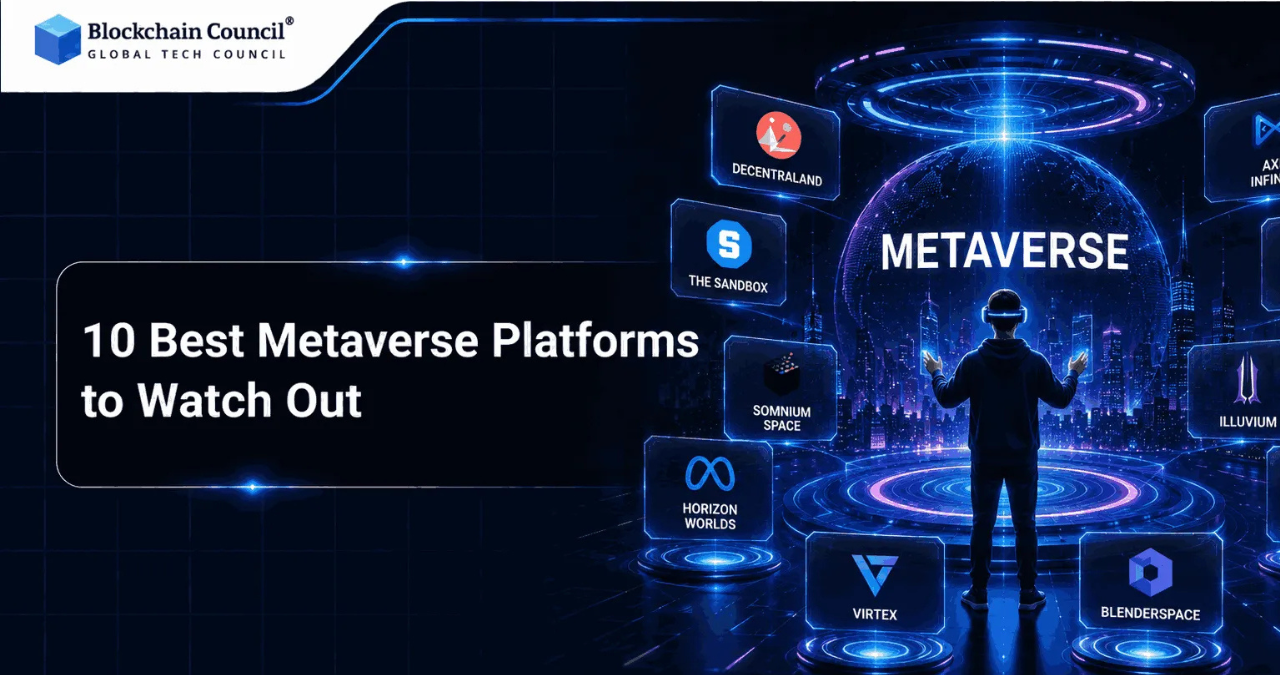
Metaverse platforms are changing the way people think about the internet. Instead of using the web only through flat screens, users can enter interactive digital spaces where they can communicate, play games, attend events, create content, shop, learn, and work.
The idea of the metaverse isn’t completely new. Online games, virtual communities, video calls, digital avatars, and virtual reality have been around for years. However, modern technology is bringing many of these ideas together into more connected and immersive experiences.
For some people, the metaverse sounds like science fiction. For others, it’s already becoming part of everyday digital life. The truth is somewhere in the middle. The metaverse is still developing, and there isn’t one single virtual world that represents the entire concept.
This guide explores metaverse platforms, how they work, their major features, popular examples, benefits, challenges, business uses, and what the future may hold.
What Are Metaverse Platforms?
Metaverse platforms are digital environments designed to provide interactive and immersive experiences. Depending on the platform, users may enter these spaces using a computer, smartphone, gaming console, virtual reality headset, or other devices.
Unlike traditional websites, many metaverse experiences are designed to feel more like places than pages. Users may have an avatar, move around a digital environment, communicate with other people, and interact with virtual objects.
A metaverse platform may focus on one specific purpose or combine several activities.
For example, a platform might allow users to:
- Create and customize avatars
- Explore virtual environments
- Play multiplayer games
- Attend concerts or social events
- Build digital objects
- Buy or sell virtual items
- Communicate with friends
- Attend educational experiences
- Participate in virtual workplaces
- Create and share their own experiences
It’s important to understand that the term “metaverse” doesn’t refer to one universal product. Instead, it describes a broad idea involving persistent, interactive digital spaces.
How Do Metaverse Platforms Work?
Behind the scenes, metaverse experiences depend on several technologies working together. Some platforms are relatively simple and work on ordinary computers, while others use advanced virtual reality systems.
Several important technologies can support a metaverse platform.
Virtual Reality
Virtual reality, or VR, uses a headset to place users inside a computer-generated environment.
Instead of looking at a virtual world through a normal monitor, users can look around as if they’re physically present inside the digital space.
VR can make activities such as gaming, training, meetings, and social interaction feel more immersive.
Augmented Reality
Augmented reality, or AR, adds digital information to the physical world.
A smartphone camera or AR glasses can display virtual objects over the user’s real surroundings. This can be useful for shopping, education, navigation, entertainment, and other applications.
3D Graphics
Three-dimensional graphics give digital environments depth and shape. Buildings, landscapes, characters, furniture, vehicles, and other objects can be represented in 3D.
The quality of these graphics can vary greatly between platforms.
Cloud Computing
Cloud technology can help platforms store information and deliver digital experiences to large numbers of users.
Instead of keeping everything on a user’s device, some data and computing tasks can be handled by remote servers.
Artificial Intelligence
AI can help create smarter digital characters, personalized experiences, automated assistance, content generation, and improved moderation.
As AI technology develops, virtual environments may become more responsive and dynamic.
Networking
A metaverse experience often depends on real-time communication between many users and servers.
Fast and reliable internet connections are therefore important, especially for experiences involving large groups of people.
Key Features of Metaverse Platforms
Although different platforms work in different ways, several features appear repeatedly across the metaverse landscape.
Digital Avatars
Avatars represent users inside virtual environments.
Some platforms allow users to create highly customized characters. Others use simple digital representations.
An avatar can become an important part of a user’s digital identity, particularly in social environments.
Persistent Digital Worlds
Some metaverse experiences are designed to continue existing even when a particular user logs out.
A virtual space might contain buildings, events, objects, or user-created content that remains available over time.
This persistence is one of the concepts that separates many metaverse ideas from ordinary online games.
Social Interaction
Communication is a major part of many metaverse platforms.
Users may communicate through:
- Voice chat
- Text messages
- Gestures
- Virtual activities
- Reactions
- Shared experiences
Instead of simply sending messages, people can sometimes interact while occupying the same digital environment.
User-Generated Content
A powerful feature of some platforms is the ability for users to create their own content.
This might include:
- Games
- Virtual buildings
- Clothing
- Characters
- Art
- Experiences
- Interactive objects
This approach can turn users from passive consumers into creators.
Digital Economies
Some platforms have virtual marketplaces where users can purchase digital products or services.
Depending on the platform, these transactions may involve traditional currencies, platform-specific currencies, or blockchain-based assets.
However, users should always understand the financial and ownership rules before spending money.
Popular Metaverse Platforms and Examples
The metaverse isn’t one standardized system. Instead, many companies and communities are building different types of virtual experiences.
Roblox
Roblox is a major online platform centered on user-created experiences. It allows people to play games, socialize, and create interactive worlds.
Its large creator community makes it an important example of how user-generated content can support a digital ecosystem.
Decentraland
Decentraland is a blockchain-based virtual world where users can explore spaces and interact with digital assets.
It has attracted attention because of its focus on virtual land, digital ownership, and decentralized technology.
The Sandbox
The Sandbox combines gaming, creation tools, and virtual assets. Users can create experiences and participate in an ecosystem built around user-generated content.
Its creator-focused approach demonstrates how virtual worlds can become platforms for digital creativity.
VRChat
VRChat is strongly focused on social interaction. Users can enter virtual environments using avatars and communicate with other people.
Its community has created a wide range of worlds and avatars, making it a useful example of social virtual reality.
Fortnite
Although Fortnite is primarily known as a game, it has expanded beyond traditional gameplay through concerts, social events, creative experiences, and branded activities.
This shows how existing gaming platforms can move toward broader virtual entertainment experiences.
Metaverse Platforms for Gaming
Gaming is one of the strongest areas connected to the metaverse.
Modern multiplayer games already include many features associated with metaverse concepts. Players can create characters, explore large environments, communicate with others, purchase digital items, and attend special events.
The major difference is that the metaverse vision often extends beyond gaming.
A virtual environment could potentially allow users to play a game in the morning, attend a virtual event later, and meet friends in a social space afterward.
Game developers also benefit from creator tools. Rather than building every piece of content themselves, they can provide tools that allow communities to create new experiences.
This creates a cycle:
Platform → Creators → New Experiences → More Users → More Creators
That cycle can help a digital world grow organically.
Metaverse Platforms for Business
Businesses are also exploring virtual environments.
A company may use virtual spaces for meetings, demonstrations, training, product launches, customer experiences, or employee collaboration.
For example, a company selling furniture could create a virtual showroom. Customers might walk through rooms and view products in a 3D environment.
Similarly, a training organization could build a simulated workplace where employees practice tasks without real-world risks.
Potential business applications include:
- Virtual meetings
- Product demonstrations
- Customer support
- Employee training
- Digital showrooms
- Recruitment events
- Marketing campaigns
- Conferences
- Team-building activities
However, businesses shouldn’t adopt metaverse technology simply because it’s trendy. The technology needs to solve a real problem or improve the customer or employee experience.
Metaverse Platforms in Education
Education could become another important area.
Traditional online learning often depends on videos, documents, slides, and video conferences. Virtual environments could add interactive elements to these methods.
Imagine students studying history by exploring a reconstructed ancient city. Instead of simply reading about a historical location, they could walk through a digital representation.
Science students might also explore simulations that would be expensive, dangerous, or impossible to perform in a physical classroom.
Potential educational uses include:
| Educational Use | Possible Benefit |
|---|---|
| Virtual classrooms | More interactive learning |
| Historical simulations | Visual understanding of history |
| Science laboratories | Safe practice environments |
| Medical simulations | Training without immediate real-world risk |
| Virtual field trips | Access to distant locations |
| 3D models | Better understanding of complex subjects |
| Group projects | Collaborative digital work |
Of course, technology alone doesn’t guarantee better education. Good teaching, clear goals, accessibility, and thoughtful course design still matter.
Metaverse Platforms and Social Connection
One of the most interesting promises of the metaverse is social interaction.
Video calls allow people to see and hear one another, but virtual environments can add a stronger sense of shared space.
Friends could meet in a virtual café, watch a movie together, play a game, or explore a digital world.
For people who live far apart, these experiences could provide new ways to spend time together.
Still, virtual social interaction shouldn’t necessarily replace real-world relationships. Ideally, digital platforms should complement human connection rather than isolate people from it.
Digital Ownership and Blockchain
Blockchain technology is often discussed alongside the metaverse, although not every metaverse platform requires blockchain.
A blockchain is a digital record system designed to track transactions and ownership information across a distributed network.
In some virtual ecosystems, blockchain technology has been used for digital assets such as virtual land or collectibles.
Supporters argue that blockchain can provide new forms of digital ownership.
However, there are important limitations and risks.
Digital assets can be affected by:
- Price volatility
- Scams
- Platform changes
- Security problems
- Legal uncertainty
- User mistakes
- Market demand
Therefore, people shouldn’t assume that every virtual asset will increase in value. A digital item can lose value just like many other speculative assets.
Why Are Metaverse Platforms Important?
The metaverse is important because it represents a possible shift in how people interact with digital technology.
For decades, the internet has mostly been experienced through screens containing text, images, and video.
Metaverse ideas suggest a more spatial internet where people can enter environments and interact with digital objects.
This could influence several industries.
Entertainment
Virtual concerts, interactive shows, games, and social events could provide new entertainment formats.
Retail
Customers could explore virtual stores and view products in 3D before buying.
Healthcare
Virtual environments may support training, rehabilitation, education, and certain forms of remote interaction, depending on medical suitability and regulation.
Real Estate
Virtual models can help people visualize physical buildings and spaces.
Manufacturing
3D simulations can assist with design, training, and planning.
Tourism
Virtual experiences could allow people to preview destinations or explore places that are difficult to visit.
Benefits of Metaverse Platforms
There are several possible advantages to well-designed virtual environments.
More Immersive Experiences
Instead of simply reading or watching, users can interact with digital environments.
Global Collaboration
People from different countries can meet in shared virtual spaces without physically traveling.
New Creative Opportunities
Creators can build digital worlds, objects, games, and experiences.
Business Innovation
Companies can experiment with new ways to market products and communicate with customers.
Accessible Experiences
Virtual environments may provide access to experiences that would otherwise be difficult because of distance, cost, or physical limitations.
Learning Through Simulation
Students and workers can potentially learn through interactive scenarios rather than only through traditional materials.
Challenges Facing Metaverse Platforms
The future of the metaverse looks promising, but significant challenges remain.
Privacy
Virtual platforms can collect information about users, including behavioral and interaction data.
Companies need strong privacy practices and transparent policies.
Online Safety
Large online communities can face problems such as harassment, scams, inappropriate content, and unwanted interactions.
Strong moderation tools and reporting systems are essential.
Accessibility
Not everyone can afford expensive hardware or high-speed internet.
If virtual experiences become important, developers will need to consider people using basic devices and different accessibility needs.
Hardware Costs
Advanced VR equipment can be expensive.
Comfort is another concern. Some users may experience eye strain, motion sickness, or discomfort during extended VR sessions.
Interoperability
One of the biggest long-term questions is whether different virtual worlds will be able to communicate with each other.
Ideally, users might be able to move between platforms while keeping some aspects of their digital identity or assets.
In practice, technical, business, and legal barriers make this difficult.
Misinformation and Manipulation
As digital environments become more realistic, users may face new forms of misinformation and manipulation.
Platforms will need better systems for verifying information and protecting users.
How to Choose the Right Metaverse Platform
There isn’t one platform that’s best for everyone.
The right choice depends on what a person wants to do.
Before joining a platform, consider:
- Purpose: Is it mainly for gaming, education, socializing, work, or creation?
- Device: Does it work on your computer, phone, console, or VR headset?
- Cost: Are there subscription fees or optional purchases?
- Privacy: What information does the platform collect?
- Safety: Are there good reporting and moderation tools?
- Community: Are the users and activities suitable for you?
- Creation tools: Can you build your own content?
- Parental controls: Are useful controls available for younger users?
Taking a few minutes to research these areas can prevent problems later.
Safety Tips for Using Metaverse Platforms
A little caution goes a long way when exploring virtual worlds.
Protect Personal Information
Don’t share sensitive details such as passwords, financial information, private addresses, or identity documents with strangers.
Use Strong Passwords
Each important account should have a strong, unique password. Enable multi-factor authentication whenever available.
Be Careful With Purchases
Virtual goods can cost real money. Before purchasing anything, understand the price, refund rules, and ownership terms.
Watch Out for Scams
Be suspicious of users promising guaranteed profits, free digital assets, or special rewards in exchange for passwords or payments.
Use Privacy Controls
Check who can contact you, see your activity, or interact with you.
Take Breaks
If you’re using VR, regular breaks can help reduce discomfort and fatigue.
The Role of Creators in Metaverse Platforms
Creators could become one of the most important groups in the future of the metaverse.
A creator doesn’t necessarily need to be a professional programmer. Depending on the platform, people may use visual editors, templates, 3D tools, scripting systems, or other creation software.
Creators might develop:
- Virtual clothing
- Games
- Buildings
- Digital art
- Educational experiences
- Social spaces
- Interactive stories
- Events
- Virtual businesses
This creator economy could open doors for people with skills in art, design, programming, storytelling, music, marketing, and community management.
In other words, the metaverse isn’t only about consuming content. It can also be about making something worth visiting.
Metaverse Platforms and the Future of Work
The workplace could also change as virtual collaboration develops.
Remote workers already communicate through messaging applications and video meetings. Virtual environments could offer another layer by creating shared 3D spaces.
A virtual office might include meeting rooms, presentation areas, private workspaces, and interactive displays.
For some jobs, this could make remote collaboration more engaging.
But there are practical questions.
Will employees want to wear headsets for eight hours? Probably not in every situation. That’s why the future may involve a mix of ordinary screens, augmented reality, virtual reality, and other interfaces.
The best solution may be flexibility rather than forcing everyone into a single format.
Are Metaverse Platforms the Same as Video Games?
Not exactly.
There is considerable overlap between metaverse platforms and video games, but the concepts aren’t identical.
A traditional video game usually has a defined gameplay objective. A metaverse platform may provide a broader environment where users can socialize, create, work, shop, attend events, or play games.
Some games already have metaverse-like features.
At the same time, some metaverse platforms don’t focus heavily on traditional gaming.
The boundary is therefore becoming less clear as technology evolves.
The Future of Metaverse Platforms
The future of metaverse platforms is likely to be gradual rather than a sudden transformation.
Technology will continue to improve in areas such as:
- Graphics
- AI
- Virtual reality
- Augmented reality
- Cloud computing
- Internet connectivity
- Digital identity
- Real-time communication
- 3D content creation
However, technology isn’t the only factor.
User demand, business models, privacy laws, safety standards, hardware prices, and cultural acceptance will all influence the direction of the industry.
The most successful platforms will probably be those that offer genuine value rather than simply using the word “metaverse” as a marketing label.
What Could Make the Metaverse More Successful?
Several developments could help virtual worlds become more useful.
Better Hardware
Smaller, lighter, more comfortable headsets could encourage wider adoption.
Easier Creation Tools
If ordinary users can quickly create high-quality experiences, virtual worlds could become richer.
Better Safety Systems
Effective moderation and privacy controls can make platforms more trustworthy.
Greater Interoperability
If different platforms can work together, users may have more freedom.
More Affordable Access
Lower hardware and connectivity costs could bring virtual experiences to more people.
Useful Real-World Applications
Education, training, collaboration, design, and entertainment could provide practical reasons for people to participate.
Common Misunderstandings About the Metaverse
The metaverse is sometimes presented as if it will completely replace the physical world. That’s unlikely to be the best way to understand it.
The more realistic possibility is that digital and physical experiences will increasingly work together.
Another misunderstanding is that all metaverse platforms use cryptocurrency. They don’t.
Likewise, not every metaverse experience requires a VR headset. Many can be accessed through traditional computers, mobile devices, or gaming systems.
Finally, the metaverse isn’t a finished product. It’s an evolving collection of technologies, platforms, ideas, and experiments.
Final Thoughts on Metaverse Platforms
Metaverse platforms represent an exciting area of digital innovation. They combine ideas from gaming, social media, virtual reality, artificial intelligence, online communities, 3D design, and digital commerce.
Their biggest promise isn’t simply creating impressive virtual worlds. It’s creating useful digital spaces where people can connect, learn, create, work, and have fun in new ways.
At the same time, responsible development will be essential. Privacy, security, accessibility, affordability, online safety, and user control shouldn’t be afterthoughts. They need to be part of the foundation.
The metaverse may not develop exactly as early predictions suggested, and that’s perfectly normal. Technology rarely follows a straight road. Some ideas will succeed, others will disappear, and new possibilities will emerge along the way.
For readers and businesses, the smartest approach is to stay curious while remaining practical. Explore new technologies, understand their benefits and limitations, and avoid believing every bold prediction.
Ultimately, the future of metaverse platforms will be shaped not only by technology but also by the people who build, use, and improve these digital worlds.
Join vantage here to receive the latest news and daily updates.