
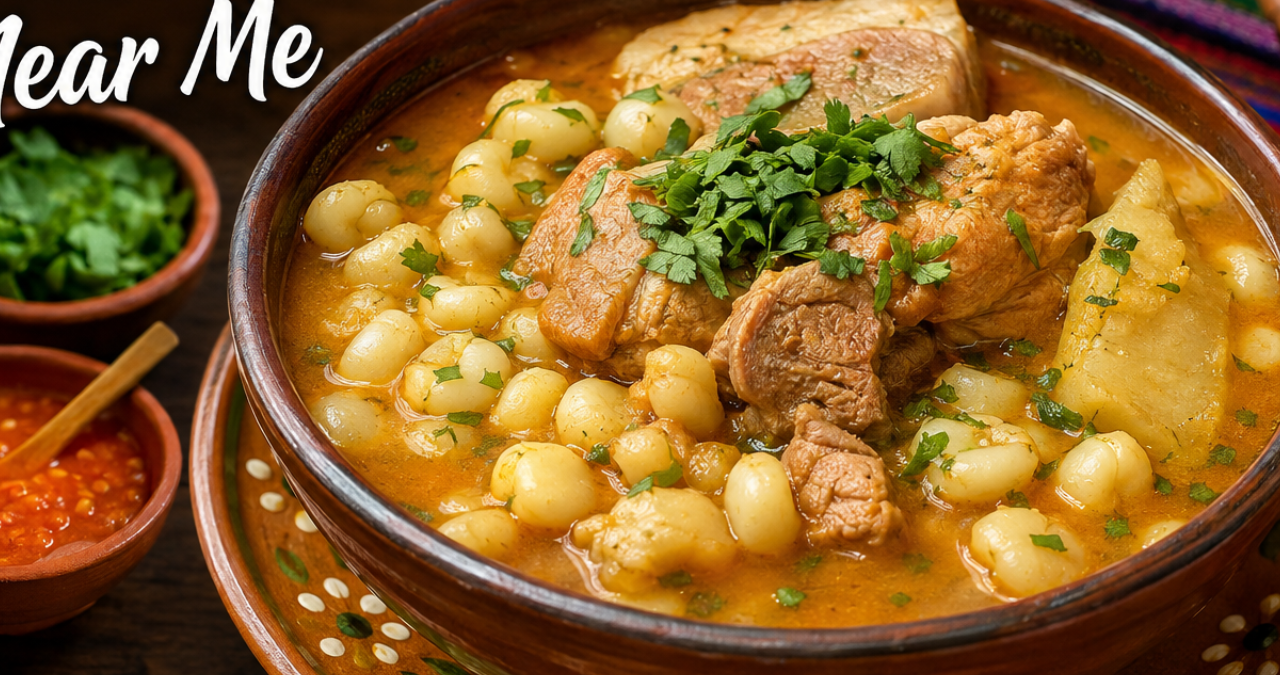
best fricase boliviano near me is a search phrase that can lead food lovers toward one of Bolivia’s most comforting and flavorful traditional dishes. Fricasé, often called fricasé de cerdo or fricasé de chancho, is a hearty pork soup made with tender meat, a rich spicy broth, white corn known as mote or pataska, and chuño. It is especially associated with La Paz and the highland food tradition of Bolivia.
Finding authentic Bolivian food outside Bolivia can take a little patience, but it can also be a fun food adventure. When searching for best fricase boliviano near me, it helps to understand what authentic fricasé should taste and look like. This guide explains the dish, its history, important ingredients, signs of quality, ordering tips, and ways to search for a good local option.
Understanding best fricase boliviano near me
When someone searches for best fricase boliviano near me, they are usually looking for more than an ordinary soup. They want a dish with the character of Bolivian cuisine. Traditional fricasé is built around pork, corn, chuño, spices, and a flavorful broth. The dish is generally served hot in a deep bowl, making it especially satisfying when you want something filling and comforting.
Authenticity matters because fricasé can vary from one kitchen to another. Some cooks make the broth thicker, while others prefer a lighter soup. Some versions use different chili preparations, and recipes can also vary in their use of onion, garlic, cumin, oregano, and bread crumbs.
A good search should therefore focus not only on distance but also on preparation. A nearby restaurant may not actually serve Bolivian-style fricasé, while a specialty Latin American kitchen farther away might offer a much more traditional version.
What is Bolivian fricasé?
Bolivian fricasé is a traditional pork-based soup strongly connected with the cuisine of La Paz. Unlike the French dish that shares a similar name, Bolivian fricasé developed into a spicy broth-based meal featuring pork and Andean ingredients. The Municipality of La Paz describes it as a traditional national dish and notes that it is particularly popular in the city.
The basic structure is simple but deeply flavorful. Large pieces of pork are slowly cooked with seasonings until tender. The broth receives its characteristic flavor from chili, garlic, cumin, and other seasonings. Mote and chuño are then served with the meat and broth.
Traditional recipes show that preparation takes time. One Bolivian culinary source, for example, uses pork, chuño, pataska, green onion, yellow chili, cumin, pepper, and garlic. The meat and seasonings are cooked together before the dish is served with the prepared corn and chuño.
Why fricasé is special in Bolivian cuisine
Food isn’t just about filling your stomach; it also carries history, family traditions, and regional identity. Fricasé is a great example. It is particularly connected with La Paz, where traditional versions have long been part of local food culture. A Bolivian recipe source reports that fricasé and other traditional dishes were declared intangible cultural heritage of the Municipality of La Paz.
The dish also reflects the ingredients available in the Andean region. Chuño, for example, is a traditional freeze-dried potato product used in highland cooking. Mote provides a hearty corn component, while chili gives the broth its recognizable warmth.
Interestingly, the modern Bolivian dish is quite different from the older French preparation associated with the name fricassee. According to the Municipality of La Paz, the Bolivian version developed after the dish reached the region and was adapted to local ingredients and cooking traditions.
Key ingredients to look for
If you’re searching for best fricase boliviano near me, learning the main ingredients can help you judge a menu description before ordering.
| Ingredient | Role in the dish | What to expect |
|---|---|---|
| Pork | Main protein | Tender, flavorful pieces |
| Mote or pataska | Corn component | Soft, hearty white corn |
| Chuño | Andean potato ingredient | Distinctive texture and flavor |
| Ají | Adds spice and character | Warm, savory chili flavor |
| Garlic | Builds flavor | Deep aromatic taste |
| Cumin | Adds earthiness | Warm, slightly nutty note |
| Onion | Supports the broth | Sweet and savory background |
| Bread crumbs | May thicken the broth | Fuller consistency |
| Herbs | Adds freshness | Depends on the recipe |
Traditional recipes differ, so every bowl won’t contain exactly the same combination. Still, pork, mote, chuño, and chili-based seasoning are strong clues that you’re looking at a Bolivian-style fricasé.
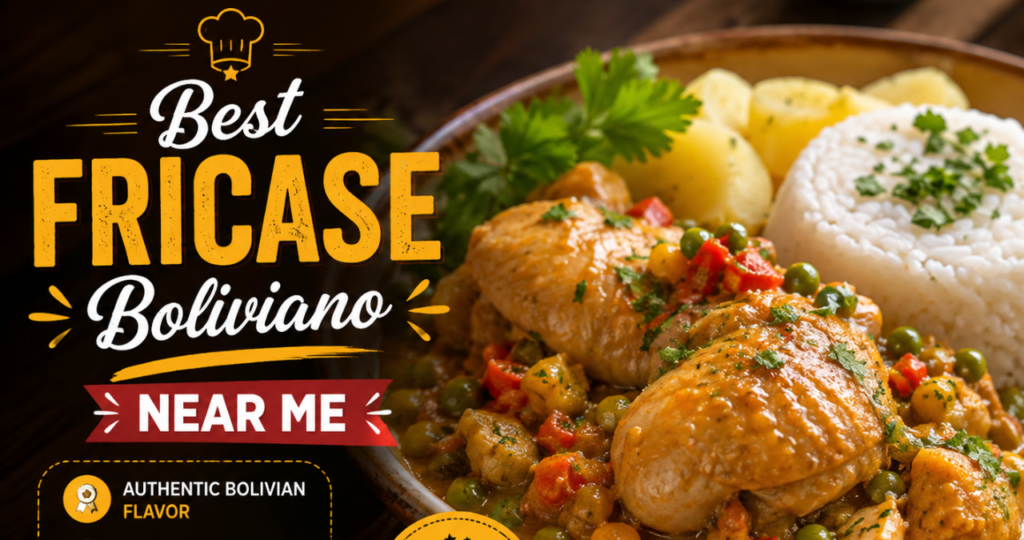
How to recognize an authentic bowl
A strong candidate for best fricase boliviano near me should have several recognizable qualities. First, the pork should be tender rather than tough. Slow cooking is important because it allows the meat to become soft while contributing flavor to the broth.
The broth should also have personality. It shouldn’t taste like plain water with a little seasoning added at the end. Traditional recipes build flavor through the gradual cooking of meat, chili, garlic, and spices. Some recipes also use bread crumbs or another thickening method to create a richer texture.
The supporting ingredients matter, too. Mote should be properly cooked and pleasant to chew. Chuño should be prepared carefully and shouldn’t overwhelm the rest of the dish. When everything comes together, the result should feel balanced, hearty, spicy, and satisfying.
The importance of pork preparation
Pork is the heart of traditional Bolivian fricasé. Recipes commonly use cuts from the shoulder or other meaty portions, and some preparations include ribs. The goal is not simply to cook the meat but to develop a rich broth while making the pork tender.
When visiting a restaurant, look for descriptions that mention slow cooking, tender pork, ribs, or pork shoulder. These details can tell you more than a generic menu label.
A good bowl should have enough meat to make the meal substantial. The pork shouldn’t be dry, chewy, or buried under excessive amounts of corn and broth. Ideally, the meat and soup should work together rather than competing with one another.
Understanding mote and pataska
Mote is one of the ingredients that makes Bolivian fricasé different from many other pork soups. It is a type of cooked white corn and provides a soft but hearty element to the dish.
Pataska is also used in traditional recipes. Some Bolivian sources use the terms in connection with prepared corn served alongside the pork and broth. Traditional preparation may involve soaking and cooking the corn before serving it.
For someone unfamiliar with Bolivian food, this ingredient may be the first surprise. Don’t worry, though. That’s part of the fun. The corn gives the soup a satisfying texture and helps turn it from a simple broth into a complete meal.
Why chuño matters
Chuño is another defining ingredient. It is made from potatoes through a traditional preservation process associated with the Andes. Because it has a distinctive texture, it can seem unusual to someone tasting Bolivian food for the first time.
Traditional fricasé recipes frequently include chuño alongside pork and mote. Some recipes instruct cooks to soak and carefully wash the chuño before cooking it.
When searching for best fricase boliviano near me, don’t be surprised if the restaurant’s version looks different from a regular pork soup. The chuño and corn are part of what gives authentic fricasé its identity.
The flavor profile of Bolivian fricasé
Fricasé is known for a rich, savory, and spicy flavor. Ají plays an important role, but the best version isn’t simply about making your mouth burn. The spice should blend with the pork, garlic, cumin, and other ingredients.
A well-prepared bowl may offer several layers of taste:
- Savory pork
- Warm chili flavor
- Earthy cumin
- Aromatic garlic
- Mild sweetness from onion
- Hearty corn
- Distinctive chuño
- Rich, slow-cooked broth
Some recipes use yellow chili, while others use different chili preparations. This means that color and spice level can vary between restaurants.
How to search for best fricase boliviano near me
Searching for best fricase boliviano near me works best when you use several search methods rather than relying on one phrase.
Start with map and restaurant apps. Search for terms such as:
- “Bolivian restaurant”
- “Bolivian food”
- “Bolivian fricasé”
- “fricasé de cerdo”
- “fricasé de chancho”
- “Latin American restaurant”
- “La Paz Bolivian food”
Then check the menu rather than assuming the restaurant serves the dish. A restaurant may specialize in Mexican, Peruvian, Colombian, or general Latin American food without offering Bolivian fricasé.
It’s also worth checking recent customer comments. Reviews that mention specific dishes are generally more useful than comments that only say a restaurant is “good.”
What the current local search suggests
For readers in the user’s estimated area around Pathan Colony, Sindh, Pakistan, a local search for Bolivian restaurants did not surface a clearly verified Bolivian restaurant specializing in fricasé. The nearby results were general restaurants rather than confirmed Bolivian fricasé specialists.
That doesn’t mean the dish is impossible to find. Restaurant menus can change, small home-based kitchens may not appear prominently in map results, and specialty food may sometimes be available through pop-ups or private catering.
For that reason, it would be misleading to label a nearby general restaurant as the best fricase boliviano near me without evidence that it actually serves authentic Bolivian fricasé.
What to ask a restaurant before visiting
A quick phone call or message can save you a wasted trip. Ask direct questions such as:
- “Do you serve Bolivian fricasé?”
- “Is it fricasé de cerdo?”
- “Does it come with mote or pataska?”
- “Does your fricasé include chuño?”
- “Is the dish available today?”
- “Is it made fresh?”
- “How spicy is it?”
- “Do you offer takeaway?”
These questions are especially useful because fricasé may be prepared only on certain days. In Bolivia, the dish is commonly associated with weekend restaurant dining, according to the Municipality of La Paz.
Best time to enjoy fricasé
Fricasé is a filling dish, so many people enjoy it as a substantial breakfast, brunch, or lunch. Traditional descriptions note that it is often consumed in the morning.
A hot bowl can be particularly appealing when you want something comforting and flavorful. Because the dish contains meat, corn, and potato-based ingredients, it can be more substantial than an ordinary soup.
If you’re trying it for the first time, don’t rush. Take a few bites of the broth, taste the pork separately, and then combine the pork, corn, and chuño. This lets you understand how the components work together.
Spice level and personal preference
One thing to consider when looking for best fricase boliviano near me is spice. Traditional fricasé has a spicy character, but the exact heat can vary.
If you don’t normally eat spicy food, ask the restaurant to explain the heat level. Some places may be able to adjust the chili or serve additional chili separately.
For experienced spice lovers, a traditional chili-forward broth can be the highlight of the dish. Still, authentic flavor should not be confused with extreme heat. A quality fricasé should have depth, not just fire.
Signs of a disappointing fricasé
Not every bowl will be equally good. Keep an eye out for a few warning signs.
A weak version may have:
- Tough or dry pork
- Very thin, flavorless broth
- Poorly cooked mote
- Hard or unpleasant chuño
- Excessive oil
- Little meat
- Overpowering salt
- Spice without depth
- A generic soup base that doesn’t taste distinctly Bolivian
A restaurant doesn’t have to follow one exact recipe to be authentic. Regional and family variations are normal. However, the dish should still preserve its core character.
Comparing homemade and restaurant fricasé
Homemade fricasé can have a special advantage because traditional recipes are often passed between family members. Cooks may spend hours preparing the pork, broth, corn, and chuño.
Restaurant versions, on the other hand, offer convenience. You don’t need to source unusual ingredients or spend hours cooking. A skilled restaurant can also produce consistent portions and provide a chance to experience the dish socially.
If you find a restaurant serving authentic fricasé, ask whether the recipe is based on a Bolivian family or regional tradition. That’s often a great way to learn more about the food.
Can you make fricasé at home?
Absolutely. If you can’t find best fricase boliviano near me, making it at home can be an enjoyable alternative.
Traditional recipes commonly involve cooking pork with chili, garlic, cumin, and other seasonings, while preparing the mote and chuño separately. The ingredients are then combined when serving.
The basic process looks like this:
- Prepare and soak ingredients that require soaking.
- Cook the corn until tender.
- Prepare the chuño according to the recipe.
- Cut the pork into suitable portions.
- Slowly cook the pork with seasonings.
- Develop a rich, flavorful broth.
- Add the desired thickening ingredient if the recipe calls for it.
- Taste and adjust seasoning.
- Serve the pork and broth with mote and chuño.
Patience is the secret sauce here. Rushing the pork can make the final dish less tender and less flavorful.
A simple quality checklist
Before choosing a place for best fricase boliviano near me, use this quick checklist.
| What to check | Why it matters |
| Bolivian cuisine listed | Shows a stronger connection to the dish |
| Fricasé specifically on menu | Confirms availability |
| Pork mentioned | Matches traditional preparations |
| Mote or pataska included | Important traditional component |
| Chuño included | Strong sign of Bolivian-style preparation |
| Recent food reviews | Helps confirm current quality |
| Clear spice information | Useful for different preferences |
| Fresh preparation | Supports better texture and flavor |
| Good food photos | Can help identify the style |
| Restaurant contact details | Makes availability easier to confirm |
No single item proves authenticity. Put the clues together, and you’ll make a much better choice.
How to choose between two restaurants
Suppose you find two places claiming to serve Bolivian fricasé. Don’t simply choose the one with the closest location.
Compare:
- Menu description
- Ingredient list
- Customer reviews
- Food photographs
- Portion size
- Spice information
- Recent availability
- Reputation for Bolivian cuisine
- Preparation style
A slightly longer trip may be worthwhile if the restaurant has a stronger reputation for authentic Bolivian food.
On the flip side, don’t assume an expensive restaurant automatically makes better fricasé. Traditional food is often about technique, ingredients, and care rather than fancy presentation.
How fricasé fits into Bolivian food culture
Fricasé is part of a larger Bolivian culinary tradition that includes hearty meals built around regional ingredients. It shows how local cooking can transform simple ingredients into something memorable.
The dish is also strongly associated with La Paz. Traditional sources describe it as one of the city’s beloved foods, and the Municipality of La Paz highlights its importance within local gastronomy.
That cultural connection is one reason food lovers shouldn’t judge fricasé as merely “pork soup.” It’s much more than that. The ingredients, cooking process, serving style, and history all contribute to its identity.
What to expect when ordering for the first time
If you’ve never eaten Bolivian fricasé, expect a generous, hearty bowl. The broth may have a noticeable chili flavor, while the pork should provide richness.
The mote adds bulk and texture, and chuño brings its own distinctive character. Depending on the restaurant, bread or another accompaniment may also be offered. Traditional recipes sometimes serve the dish with bread and chopped chili.
Don’t be put off if the bowl looks different from pictures you’ve seen online. Fricasé has regional and family variations, so appearance isn’t everything.
Tips for finding an authentic experience
To improve your chances of finding best fricase boliviano near me, try these practical tips:
- Search specifically for Bolivian restaurants.
- Look for fricasé de cerdo on menus.
- Read recent reviews rather than old comments.
- Check food photos carefully.
- Call ahead to confirm availability.
- Ask about mote and chuño.
- Ask whether the pork is slow-cooked.
- Confirm the spice level.
- Look for restaurants with broader Bolivian menus.
- Consider specialty events and food pop-ups.
Most importantly, keep an open mind. The best discovery may come from a small kitchen that doesn’t have a huge online presence.
Why online reviews can be useful
Reviews aren’t perfect, but they can provide helpful clues. Look for comments that mention the actual dish rather than general statements about service.
For example, a useful review might discuss the tenderness of the pork, flavor of the broth, amount of mote, or authenticity of the preparation. Several independent comments pointing toward the same strengths are more useful than one vague five-star rating.
At the same time, tastes differ. One person may love very spicy food while another prefers mild flavors. Use reviews as evidence, not absolute truth.
The value of authentic ingredients
Ingredient quality can make a major difference. Pork should be fresh and properly cooked, while corn and chuño need careful preparation.
Traditional recipes also rely on seasoning combinations such as chili, garlic, cumin, pepper, and oregano.
When these ingredients are balanced, the broth becomes much more interesting. The result isn’t simply spicy; it has layers of savory, earthy, aromatic, and slightly sweet flavors.
Fricasé as a comfort food
There’s something wonderfully satisfying about a steaming bowl of slow-cooked food. Fricasé fits that idea perfectly.
The tender pork, hot broth, corn, and chuño create a meal that feels substantial without being complicated in appearance. It’s the kind of dish that can turn a normal meal into a memorable food experience.
For people discovering Bolivian cuisine, fricasé is also a useful introduction because it brings together several important ingredients and techniques in one bowl.
Final thoughts on best fricase boliviano near me
Finding best fricase boliviano near me may require a little research, particularly in areas where Bolivian cuisine isn’t widely represented. But that’s no reason to give up. With the right search terms, menu checks, reviews, and a quick call to restaurants, you can greatly improve your chances of finding an authentic and satisfying bowl.
Remember what makes the dish special: tender pork, a flavorful chili-based broth, mote or pataska, chuño, and carefully balanced seasonings. Traditional recipes and Bolivian culinary sources consistently highlight these elements.
Whether you discover it at a specialty restaurant, a local pop-up, or prepare it yourself, fricasé offers a delicious way to explore Bolivian food culture. So, when the craving hits, use best fricase boliviano near me as your starting point, check the details, ask the right questions, and enjoy the search for a truly memorable bowl.
Join vantage here to receive the latest news and daily updates.Categories