
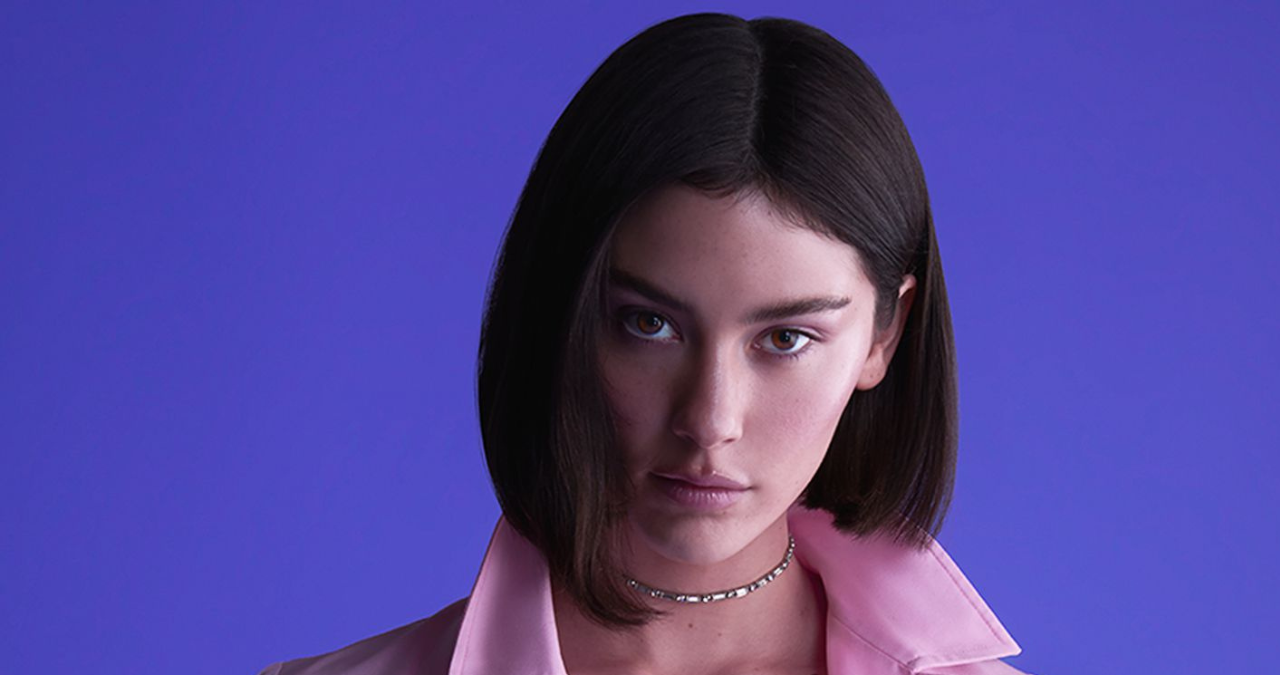
The search phrase “gracie abrams nude” may appear in search engines, social media posts, forums, or websites that attract attention through celebrity-related keywords. However, searching for private or intimate material involving a real person raises important questions about privacy, consent, online safety, and misinformation. Understanding these issues can help readers make better decisions when browsing the internet.
Gracie Abrams is a well-known American singer and songwriter who has built a strong following through her music, songwriting, performances, and public appearances. Like many public figures, she is sometimes connected with misleading, sensational, or invasive online searches. A person’s public career doesn’t mean that every type of content associated with their name is legitimate or appropriate to share.
This article explores the meaning behind searches such as “gracie abrams nude”, why misleading celebrity searches become popular, how manipulated content can spread, and how readers can protect themselves online. The goal is to provide useful and responsible information while respecting personal privacy.
Who Is Gracie Abrams?
Gracie Abrams is an American singer and songwriter known for her emotional songwriting and modern pop sound. She began releasing music professionally in the late 2010s and gradually developed a dedicated international audience.
Her songs often focus on subjects such as:
- Relationships and changing emotions
- Friendship
- Personal growth
- Young adulthood
- Memories and uncertainty
- Self-reflection
- Emotional experiences
Her songwriting style is often personal and conversational. This has helped her connect with listeners who appreciate lyrics that feel honest and relatable.
Over time, her growing popularity has brought increased attention to her public life. With greater fame, however, comes a common problem faced by celebrities: their names can be used in searches and online posts that have little connection to their actual work.
Why Does the Search Term “Gracie Abrams Nude” Appear Online?
Search engines process enormous amounts of information every day. People search for celebrities using many different combinations of words, including legitimate questions and sensational phrases.
The keyword “gracie abrams nude” may be used by people looking for supposed private photographs, leaked material, or other intimate content. The appearance of a keyword in search results doesn’t prove that the material exists or that it is authentic.
There are several reasons such searches can become common.
Search Engine Curiosity
People sometimes become curious after seeing a provocative headline, social media post, or thumbnail. They may search the celebrity’s name to determine whether a claim is true.
This creates a cycle:
- Someone publishes a sensational claim.
- Other users become curious.
- They search for the celebrity’s name.
- More websites notice the increased search interest.
- Additional low-quality pages are created.
- The keyword becomes even more visible.
In other words, popularity in search results doesn’t automatically equal credibility.
Clickbait Websites
Some websites use celebrity names and controversial keywords to attract visitors. Their pages may promise exclusive photographs or videos but provide little trustworthy information.
Often, the real purpose is to generate:
- Advertising revenue
- Page views
- Social-media clicks
- Email sign-ups
- Downloads
- Affiliate traffic
Readers should therefore be cautious when a website uses dramatic language designed to create urgency or curiosity.
Privacy Matters Even When Someone Is Famous
One of the most important lessons surrounding searches such as “gracie abrams nude” is that fame doesn’t remove a person’s right to privacy.
A celebrity may willingly share photographs, interviews, music videos, red-carpet appearances, or personal stories with the public. That does not mean they have agreed to every kind of image or information being created, altered, distributed, or searched for.
There is a major difference between:
Public content:
Material intentionally released by a person, their representatives, or an authorized organization.
Private content:
Material intended to remain personal or restricted.
Manipulated content:
Images or videos that have been digitally changed or artificially generated to make someone appear in a situation that never happened.
Understanding this difference is essential in the digital age.
The Problem With Fake Celebrity Images
Technology has made image editing easier than ever. Modern software can alter photographs in seconds, while artificial intelligence can create convincing-looking images that never existed.
This creates serious challenges for people searching celebrity-related terms.
A picture may look realistic while still being:
- Edited
- Cropped misleadingly
- Taken from a different context
- Digitally altered
- AI-generated
- Completely unrelated to the person
- Shared without permission
A high-quality image isn’t necessarily proof of authenticity.
That’s why responsible internet users should avoid immediately believing an image simply because it appears professional or realistic.
How AI Can Make Misinformation Harder to Detect
Artificial intelligence has introduced powerful tools for creative work, but the same technology can also be misused to create deceptive material.
AI-generated or manipulated images can sometimes look convincing at first glance. This makes traditional methods of judging photographs less reliable.
When encountering a questionable celebrity image, readers should consider:
- Where did the image originally appear?
- Is there a reputable source?
- Has the person or an official representative confirmed it?
- Do credible news organizations report the same claim?
- Does the image contain obvious editing inconsistencies?
- Is the website known for sensational content?
- Is the page asking for suspicious downloads or personal information?
If the answer to these questions is unclear, it’s better not to share the material.
Why Sharing Private or Manipulated Images Can Cause Harm
Sharing intimate or falsely intimate material involving a real person can have consequences beyond a simple internet post.
A person may experience:
- Emotional distress
- Reputation damage
- Harassment
- Unwanted attention
- Loss of professional opportunities
- Repeated online abuse
- Long-term search-engine exposure
Once content spreads online, removing every copy can be extremely difficult.
A person who uploads something may believe that deleting the original solves the problem. Unfortunately, other users may have already copied, reposted, downloaded, or archived it.
That’s why the old saying applies particularly well online: think before you click.
Responsible Searching for Gracie Abrams
Fans interested in Gracie Abrams have many positive ways to explore her career without relying on questionable celebrity-content websites.
Readers can instead learn about:
- Her music
- Albums and singles
- Songwriting
- Concert performances
- Interviews
- Music videos
- Career milestones
- Public appearances
- Collaborations
- Official announcements
These subjects provide meaningful information about her work and artistic development.
A responsible search focuses on what a public figure has intentionally shared rather than attempting to uncover material that may be private, fabricated, or unauthorized.
How to Identify an Untrustworthy Celebrity Website
Some websites are designed primarily to capture search traffic. They may use famous names repeatedly while providing little reliable information.
Warning signs include:
- Extremely sensational headlines
- Promises of “secret” or “exclusive” material
- Multiple pop-up advertisements
- Automatic downloads
- Suspicious browser notifications
- Requests for credit-card information
- Fake video-play buttons
- Poor spelling and grammar
- No clear author information
- No contact information
- Claims that cannot be confirmed elsewhere
A trustworthy website generally makes it easier for readers to understand who created the content and where the information came from.
Be Careful With Downloads and Suspicious Links
Celebrity searches can sometimes lead users to unsafe websites. A page may claim that a particular photograph or video is available for download.
This can create cybersecurity risks.
A suspicious download could potentially contain:
- Malware
- Spyware
- Adware
- A browser hijacker
- A phishing program
- A fake application
- Other unwanted software
For this reason, users shouldn’t download unknown files simply because a website promises exclusive celebrity material.
It’s also wise to keep operating systems, browsers, and security software updated.
How to Check Whether a Celebrity Claim Is Real
When an unusual claim about a public figure appears online, verification should come before sharing.
A simple verification process can help.
Check Reliable Sources
Look at established news organizations, official accounts, and reputable entertainment publications. If a major claim is real and significant, trustworthy sources may provide additional context.
Look for the Original Source
Don’t rely solely on screenshots. Try to determine where a photograph, quote, or video originally came from.
A screenshot can easily remove important context.
Compare Multiple Reports
If only one obscure website is making a sensational claim while reputable sources say nothing about it, caution is appropriate.
Check the Date
Old content can be presented as new. A photograph from years ago may be reposted with a completely different description.
Avoid Assuming That Search Results Are Proof
Search engines rank and organize pages. They don’t automatically guarantee that every result is accurate.
This is one of the most important lessons for anyone researching celebrity information.
The Difference Between Publicity and Consent
Public figures often work with photographers, journalists, entertainment companies, and media organizations. They may participate in photoshoots, interviews, advertisements, and public events.
That public activity is different from consent to distribute private material.
Consent should be understood clearly. Someone agreeing to one photograph doesn’t mean they have agreed to every possible use of their image.
Likewise, an edited photograph should not be treated as proof of a real event.
Respecting this boundary is important for everyone, including celebrities.
Why Celebrity Search Trends Can Become Misleading
Internet trends can develop quickly. A phrase can become popular because many people are searching for it, even when the underlying claim is false.
This creates an interesting problem.
People may think:
“Thousands of people are searching for it, so it must be true.”
But that reasoning doesn’t work.
Popularity measures attention, not accuracy.
A rumor can become highly searched precisely because it is controversial or shocking. Therefore, search volume should never be used as evidence that a claim is genuine.
What Fans Can Do Instead
Fans who want to support Gracie Abrams can focus on her actual artistic achievements.
Positive ways to engage include:
- Listening to officially released music
- Watching authorized music videos
- Attending legitimate concerts
- Following verified social-media accounts
- Reading reputable interviews
- Supporting official merchandise
- Discussing songwriting and albums
- Sharing positive reviews
- Recommending her music to friends
These activities contribute to a healthier online environment and keep attention on the work that made her successful.
A Simple Guide to Digital Responsibility
Responsible browsing doesn’t have to be complicated. A few basic habits can make a significant difference.
| Online Situation | Safer Approach |
|---|---|
| Sensational celebrity headline | Verify it before believing it |
| Questionable photograph | Don’t assume it’s authentic |
| Suspicious download | Avoid downloading it |
| Private-looking material | Don’t save or redistribute it |
| Unverified social-media claim | Check reliable sources |
| AI-generated image | Treat it as potentially manipulated |
| Unknown website | Check its credibility |
| Emotional or shocking post | Pause before sharing |
These habits are useful not only when searching for celebrity information but also when using social media and the wider internet.
The Importance of Digital Literacy
Digital literacy means understanding how online information works. It includes knowing how to identify reliable sources, recognize misleading claims, protect personal information, and think critically about digital content.
This skill is becoming increasingly important.
Students, parents, workers, creators, and everyday internet users all encounter enormous amounts of information. Not everything that appears online deserves equal trust.
Digital literacy encourages people to ask:
- Who created this?
- Why was it created?
- What evidence supports it?
- Could the image have been manipulated?
- Is the source trustworthy?
- Could sharing it harm someone?
These questions help users make smarter decisions.
Gracie Abrams and the Value of Focusing on Her Career
Although sensational keywords can attract temporary attention, Gracie Abrams’ lasting public identity comes from her music and songwriting.
Her career demonstrates how artists can build an audience through creativity, persistence, and a strong connection with listeners.
For fans and readers, exploring her musical work is far more informative than relying on questionable searches.
Her career can be examined through subjects such as:
- Songwriting development
- Musical influences
- Album themes
- Live performances
- Collaborations
- Public interviews
- Creative growth
- Relationship with fans
These topics offer genuine insight into the artist and her professional achievements.
How Parents Can Teach Young People About Celebrity Content
Young internet users may encounter sensational celebrity material without actively searching for it. Parents and teachers can help by explaining how online content works.
Useful lessons include:
- Not everything online is true.
- Photographs can be edited.
- AI can create realistic-looking fake images.
- Sharing private material can hurt another person.
- Suspicious websites may be unsafe.
- Search rankings aren’t proof of accuracy.
- It’s okay to leave a website that feels uncomfortable or suspicious.
Open conversations about digital responsibility can help young people become safer internet users.
The Future of Online Celebrity Privacy
As technology continues to develop, privacy challenges are likely to become more complicated.
Image-editing software, AI generation, social media, and fast-moving communication platforms can make misleading material spread quickly.
At the same time, technology can also help fight misinformation.
Improved detection systems, stronger platform policies, better digital education, and greater public awareness can all contribute to a safer online environment.
The most important part, however, remains human judgment.
Technology can help identify suspicious material, but users still need to make responsible choices about what they click, save, and share.
Frequently Asked Questions About “Gracie Abrams Nude”
Is the search term proof that private images exist?
No. A search phrase only shows that people are using those words online. It doesn’t prove that any particular material is real, authentic, or authorized.
Can celebrity images be manipulated?
Yes. Modern editing software and AI tools can alter or create images that appear convincing.
Should questionable celebrity photographs be shared?
No. Sharing potentially private, manipulated, or unauthorized material can cause harm and may violate platform rules or applicable laws.
How can I verify celebrity information?
Use reputable news sources, official accounts, and established publications. Check the original source and compare information across multiple reliable outlets.
Why do websites use sensational celebrity keywords?
Some websites use popular or controversial keywords to attract visitors, increase advertising views, or encourage users to click links.
What is the safest way to follow Gracie Abrams?
Following official channels and reputable music and entertainment sources is a better way to learn about her work and career.
Final Thoughts on Gracie Abrams Nude Searches
The internet has made information easier to access, but easy access doesn’t always mean reliable or responsible access. Searches such as “gracie abrams nude” demonstrate why users need to think carefully about privacy, consent, misinformation, manipulated images, and online security.
Gracie Abrams is primarily known for her music, songwriting, performances, and connection with listeners. Readers can gain much more meaningful knowledge by exploring her artistic work and verified public career rather than trusting sensational or questionable material.
Ultimately, responsible browsing comes down to a few simple principles: verify information, protect privacy, avoid suspicious websites, don’t spread unverified claims, and think about the person behind the screen. By following these habits, internet users can enjoy celebrity news and entertainment while helping create a more respectful and trustworthy digital world.
When encountering the search term “gracie abrams nude”, the smartest approach is to pause, question the source, protect personal privacy, and focus on reliable information rather than sensational claims.
Join vantage here to receive the latest news and daily updates.Categories