
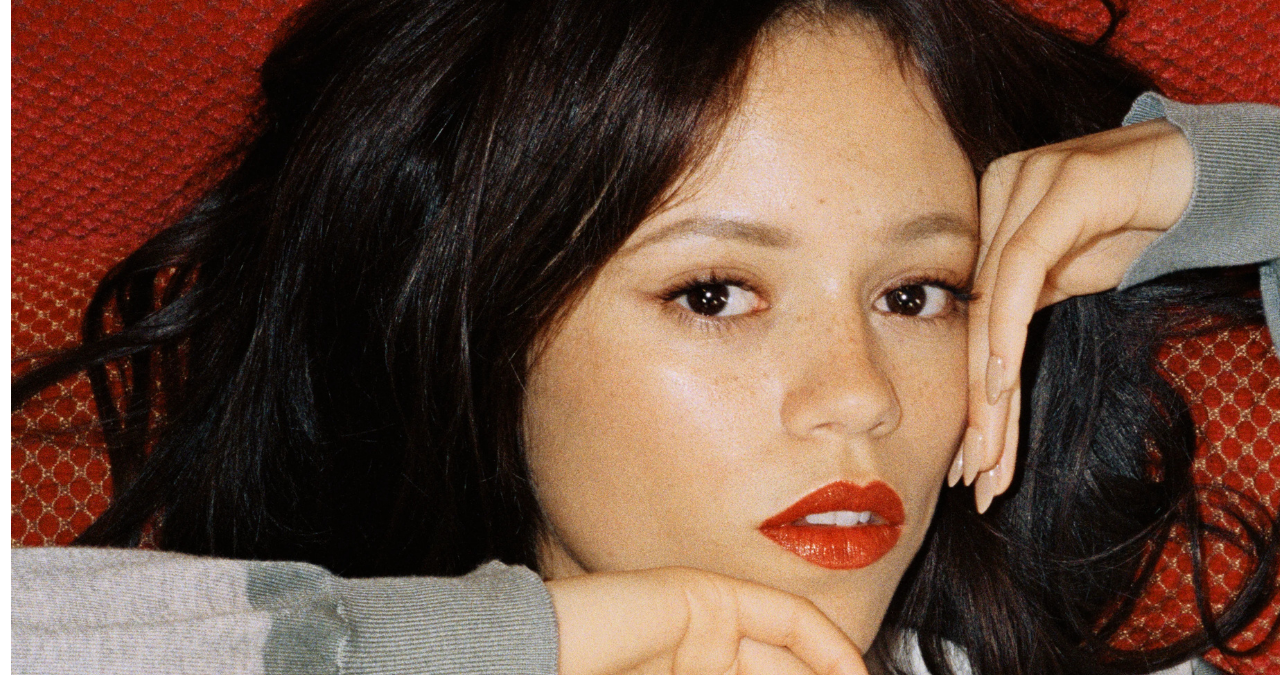
Jenna Ortega nudes is a search phrase that can lead people toward misleading websites, fake claims, edited images, and privacy-invasive content. Instead of treating such searches as entertainment, it’s more helpful to understand how celebrity image scams work, why fake content spreads so quickly, and how internet users can protect themselves.
Jenna Ortega is a well-known American actress who has gained worldwide attention through her acting career and popular screen roles. Because public figures receive enormous online attention, their names can also be used by websites that want clicks, advertising revenue, or personal information. This makes it important for readers to know how to separate real information from misleading material.
Jenna Ortega Nudes and the Problem of Fake Online Claims
Searches for jenna ortega nudes may produce pages that claim to contain private photographs. However, a search result itself doesn’t prove that the material is genuine. Online platforms can use a celebrity’s name in titles and descriptions simply to attract visitors.
Some websites use sensational headlines to encourage people to click. Once visitors arrive, they may discover unrelated photographs, edited material, advertisements, surveys, or requests to install questionable software.
This type of content can create a false impression very quickly. A person may see a dramatic headline and assume that the information must be true, but the internet doesn’t work that way. Headlines can be created by anyone, while images can be altered with increasingly advanced editing tools.
Why Celebrity Search Terms Attract Misleading Websites
Celebrity names are valuable keywords because millions of people search for actors, musicians, athletes, and other public figures. Unscrupulous websites sometimes take advantage of that interest.
A common strategy involves combining a celebrity’s name with sensational terms. The goal isn’t necessarily to provide accurate information. Instead, the website may be trying to increase traffic.
These pages can sometimes include:
- Misleading headlines
- Digitally manipulated images
- Fake social-media screenshots
- False claims about leaked photographs
- Clickbait advertisements
- Links to unrelated websites
- Suspicious downloads
- Requests for personal information
In other words, not everything that appears in a search engine deserves your trust.
How Edited Images Can Mislead Readers
Modern editing software can change photographs in remarkably convincing ways. Artificial intelligence has also made image manipulation easier for people who want to create deceptive material.
An edited photograph can therefore appear realistic while being completely fabricated. This is especially important when a picture is presented without a reliable source.
Readers should look at the context surrounding an image. Ask where it originally appeared, whether a trustworthy publication has reported the claim, and whether the supposed event can be independently confirmed.
If an image exists only on anonymous websites and social-media accounts, that’s a strong reason to be skeptical.
Jenna Ortega Nudes Searches and Digital Privacy
Privacy matters even when someone is famous. Being a public figure doesn’t mean that every photograph associated with that person is authentic, public, or appropriate to redistribute.
Digital privacy is becoming increasingly important as people share more photographs and personal information online. Images can be copied, altered, reposted, and distributed without the original person’s permission.
A responsible internet user should therefore think carefully before sharing questionable material. Clicking, downloading, or reposting suspicious content can also expose users to scams and malicious websites.
A better approach is to focus on verified information about a person’s professional career rather than unconfirmed private-content claims.
How to Recognize a Clickbait Celebrity Website
Spotting clickbait isn’t always difficult once you know what to look for. Many misleading websites use similar patterns.
Watch for pages that:
- Promise shocking information without evidence
- Use excessive capital letters
- Repeat sensational words throughout the page
- Provide no trustworthy source
- Display many aggressive advertisements
- Ask you to complete surveys before viewing content
- Redirect you to unrelated websites
- Encourage you to download files
- Use blurry or obviously manipulated images
A trustworthy article usually provides context, identifies its sources, and avoids making dramatic claims without evidence.
Why You Shouldn’t Trust Every Viral Social-Media Post
Social media can spread information at lightning speed. Unfortunately, speed doesn’t equal accuracy.
A photograph or post can receive thousands of views before anyone checks whether it is authentic. Once something becomes popular, other accounts may repost it simply because it is trending.
This creates a snowball effect. One unsupported claim can become hundreds of posts, making the original rumor look legitimate.
When encountering a viral claim about a celebrity, pause before sharing it. Check reliable sources and consider whether the information has been independently confirmed.
The Role of Artificial Intelligence in Fake Images
Artificial intelligence has created exciting opportunities in photography, entertainment, education, and creative work. At the same time, the technology can be misused to produce deceptive images.
AI-generated or AI-edited photographs can sometimes be difficult for casual viewers to identify. That’s why visual evidence alone isn’t always enough.
Readers should consider the source, context, publication history, and supporting evidence. If a claim seems extraordinary but has no credible reporting behind it, caution is the sensible choice.
The growing availability of image-generation technology makes digital literacy more important than ever.
Jenna Ortega Nudes and Responsible Online Behavior
When searching for information about a celebrity, responsible online behavior can make a major difference. A few simple habits can help users avoid misleading content.
First, don’t assume that a search engine result is automatically trustworthy. Search engines organize available pages; they don’t guarantee that every page is accurate.
Second, avoid downloading files from unfamiliar websites. A page promising exclusive celebrity photographs may instead lead to malware, unwanted software, or phishing attempts.
Third, don’t share unverified claims. Once misinformation is reposted, it can become much harder to correct.
Finally, respect people’s privacy. Online popularity shouldn’t remove basic standards of responsible behavior.
A Simple Guide to Checking Celebrity Information
Readers can use a straightforward process when checking a controversial celebrity claim.
| What to Check | Why It Matters |
|---|---|
| Original source | Shows where the claim began |
| Reputable reporting | Helps confirm important allegations |
| Image context | May reveal manipulation or misleading presentation |
| Publication date | Prevents old material being presented as new |
| Multiple independent sources | Reduces reliance on one unverified claim |
| Website reputation | Helps identify questionable publishers |
| Official accounts | Can provide verified statements and updates |
This method doesn’t require advanced technical knowledge. A few extra minutes of checking can prevent you from believing or spreading false information.
Protecting Yourself From Celebrity-Content Scams
Some websites use celebrity names as bait for scams. A visitor might be told that they need to verify their age, install an application, provide an email address, or complete a survey.
These tactics can create security risks.
To stay safer online:
- Keep your browser and operating system updated.
- Avoid downloading unknown files.
- Don’t enter passwords on suspicious pages.
- Use strong and unique passwords.
- Enable multi-factor authentication where available.
- Be cautious with shortened or unfamiliar links.
- Leave websites that repeatedly redirect you.
- Don’t provide personal information merely to access questionable content.
Good cybersecurity habits are useful far beyond celebrity searches. They can protect your accounts, photographs, documents, and financial information too.
Jenna Ortega’s Public Career Is More Worth Exploring
Rather than focusing on unverified private-content searches, readers can explore Jenna Ortega’s actual professional achievements.
She became widely recognized through television and film work and later reached an even larger international audience through major entertainment projects. Her performances have helped establish her as one of the notable young actors of her generation.
Her career also demonstrates how public attention can grow rapidly in the digital age. A performer may become globally recognized through a combination of television, streaming platforms, interviews, social media, and film.
For fans, exploring verified interviews, filmography information, and official entertainment coverage provides a much more reliable picture of her work.
The Difference Between Publicity and Privacy
One important lesson from celebrity culture is that publicity and privacy aren’t the same thing.
An actor may choose to discuss a movie, attend an event, post a photograph, or participate in an interview. Those are examples of public professional activity.
Private material is different. A person’s fame doesn’t automatically turn every alleged photograph or personal detail into legitimate public information.
Understanding this distinction helps create a healthier online environment for celebrities and ordinary internet users alike.
How Parents and Young Internet Users Can Stay Safe
Young internet users may encounter sensational celebrity content accidentally through search engines, social media, or advertisements. Teaching basic digital-literacy skills can help them handle such situations.
Useful lessons include:
- Not everything online is real.
- Images can be edited.
- Viral posts can contain false information.
- Unknown websites can be dangerous.
- Personal information should be protected.
- Suspicious links should be avoided.
- Adults and trusted sources can help verify confusing information.
These skills are increasingly valuable because digital content is becoming easier to create and share.
Building Better Search Habits
Search engines are powerful research tools, but good results depend partly on good search habits.
Instead of relying on sensational keywords alone, users can search for verified interviews, official announcements, reputable entertainment publications, film credits, and professional biographies.
It also helps to compare several reliable sources. If a major claim appears on only one obscure website while established sources say nothing about it, skepticism is reasonable.
Taking a moment to verify information can save users from scams, misinformation, and unnecessary privacy problems.
Why Accuracy Matters in Celebrity Articles
A high-quality celebrity article should provide useful information rather than simply chase clicks.
Good content should:
- Separate facts from rumors.
- Avoid presenting speculation as truth.
- Use reliable sources.
- Provide meaningful context.
- Respect personal privacy.
- Explain online risks clearly.
- Help readers make informed decisions.
This approach builds trust. Readers should leave an article feeling better informed, not manipulated into clicking another sensational headline.
Final Thoughts on Jenna Ortega Nudes
Jenna Ortega nudes is a search phrase surrounded by privacy concerns, misleading websites, manipulated images, and online misinformation. Readers should approach such searches carefully and avoid assuming that sensational claims are genuine.
The internet can be a fantastic place to discover information about movies, actors, entertainment, and popular culture. However, being a smart digital citizen means knowing when to pause, verify a claim, protect personal information, and respect privacy.
Ultimately, jenna ortega nudes searches are better understood through the wider topics of digital literacy, online scams, manipulated media, and celebrity privacy rather than through unverified or invasive material.
Join vantage here to receive the latest news and daily updates.Categories