
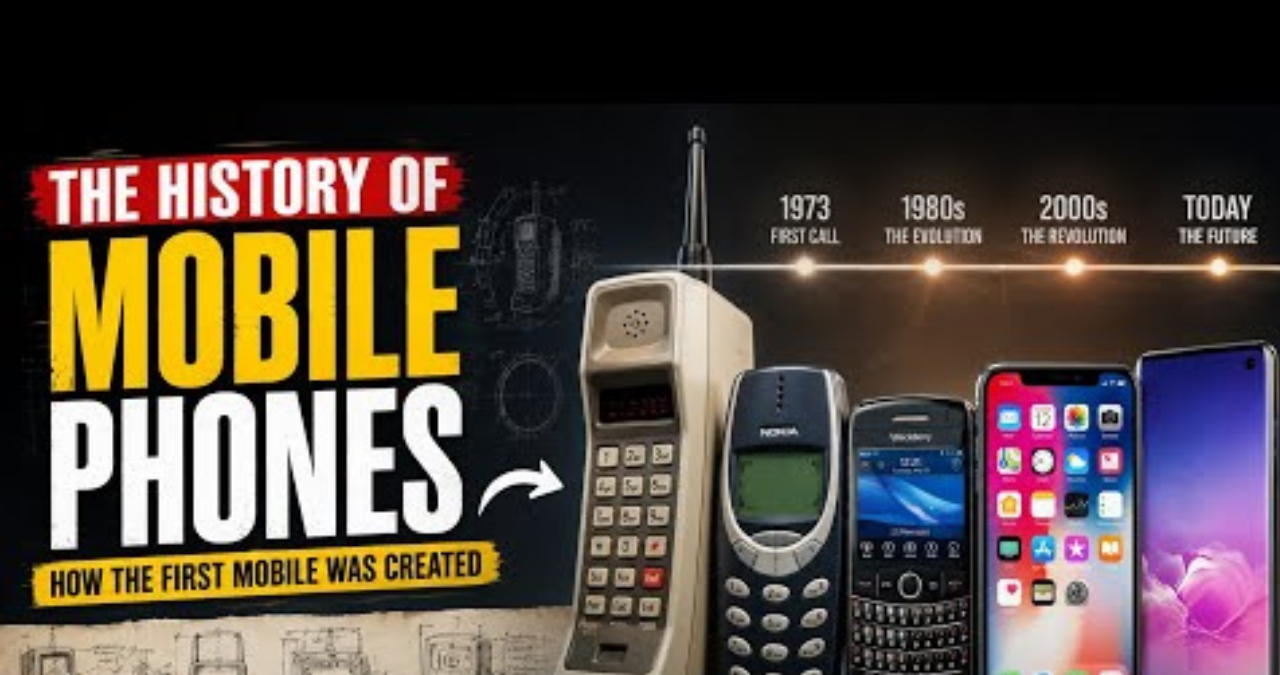
when were smartphones invented is a question with a surprisingly interesting answer. Smartphones didn’t appear overnight, and there isn’t just one moment when someone suddenly created the modern phone we carry today. Instead, smartphones developed through a long chain of inventions involving mobile phones, computers, touchscreens, wireless networks, software, and portable digital technology.
The first devices that could reasonably be called smartphones appeared in the early 1990s. However, the ideas behind them started much earlier. Mobile communication had already been developing for decades, while personal computers were becoming smaller and more powerful. As these technologies came together, a new type of device was born: a phone that could do much more than make calls.
Today, smartphones are used for communication, photography, banking, education, entertainment, navigation, shopping, work, and countless other activities. Looking back at their history helps us understand how a simple communication device became one of the most important pieces of technology in everyday life.
When Were Smartphones Invented?
So, when were smartphones invented? The answer depends on how we define the word “smartphone.”
One of the earliest devices widely recognized as a smartphone was the IBM Simon Personal Communicator. IBM introduced the Simon prototype in 1992, and the device became commercially available in 1994 through BellSouth. It combined mobile phone features with functions that were normally associated with personal computers and electronic organizers.
IBM Simon was far ahead of its time. It allowed users to make telephone calls, send and receive messages, manage contacts, use a calendar, take notes, and perform other digital tasks. It also had a touchscreen and could use a stylus.
Although Simon looks very basic compared with modern smartphones, its basic idea was remarkably familiar. It showed that a telephone could become a small personal computer.
That makes the early 1990s an important period when discussing when were smartphones invented.
The Technology Before Smartphones
Before smartphones existed, several important technologies had to be developed first. The smartphone was really the result of different inventions coming together.
The history of mobile communication goes back much further than the smartphone itself. Engineers had experimented with wireless communication for many years, but early mobile phones were large, expensive, and difficult to use.
The first generation of commercial mobile phones mainly focused on voice calls. They weren’t designed for browsing the internet, taking photographs, installing apps, or watching videos.
At the same time, personal computers were becoming more common. People were learning that computers could help with writing, organizing information, calculating, communicating, and managing work.
The next logical step was to combine these ideas.
Important technologies that helped prepare the way included:
- Wireless radio communication
- Cellular telephone networks
- Portable computers
- Personal digital assistants
- Digital displays
- Touchscreen technology
- Mobile operating systems
- Wireless data connections
- Internet technology
- Miniaturized computer processors
Without these developments, the smartphone would have been extremely difficult to create.
The IBM Simon Personal Communicator
The IBM Simon deserves special attention when discussing when were smartphones invented because it is often described as the first smartphone.
IBM demonstrated Simon publicly in 1992. It was then released commercially in the United States in 1994.
Simon was much larger and heavier than today’s smartphones. It had a monochrome touchscreen and came with a stylus. Its battery life was also limited by modern standards.
Still, its abilities were impressive for its era.
Users could use Simon for:
- Telephone calls
- Fax communication
- Contacts
- Calendars
- Notes
- Address books
- Basic organization tasks
- Touchscreen interaction
The device didn’t have the sleek design or huge app ecosystem we expect today. Nevertheless, it introduced an important concept: one portable device could combine communication and computing.
That idea would eventually transform the technology industry.
Personal Digital Assistants Helped Shape Smartphones
Another important part of the story is the personal digital assistant, commonly called a PDA.
During the 1990s, PDAs became popular among business users and technology enthusiasts. Devices such as the Apple Newton and later Palm products helped people carry digital calendars, contact lists, notes, and other information.
PDAs usually weren’t traditional mobile phones. Instead, they were portable computers designed to help users organize information.
The difference between PDAs and mobile phones gradually became less important as manufacturers began combining their features.
This was a major turning point.
People no longer wanted separate devices for every task. A single product that could handle communication, organization, and computing was more convenient. Slowly but surely, the idea of the smartphone became stronger.
The Rise of BlackBerry Smartphones
BlackBerry played a major role in the development of smartphones, particularly for business users.
Research In Motion, the company behind BlackBerry, introduced mobile devices that became famous for secure messaging and physical keyboards. BlackBerry phones were especially popular with professionals because they made email communication quick and convenient.
The physical keyboard was one of BlackBerry’s defining features. Users could type messages without relying on an on-screen keyboard.
BlackBerry also helped make mobile email a normal part of business life. Before smartphones became widespread, checking email usually meant sitting at a computer. BlackBerry changed that expectation.
Suddenly, people could communicate while traveling, waiting in an airport, attending meetings, or working away from their desks.
The smartphone was becoming more than a telephone. It was becoming a mobile communication center.
The Growth of Mobile Internet
The internet was another major ingredient in the smartphone revolution.
Early mobile phones had very limited access to online services. As cellular networks improved, mobile data became faster and more useful.
Wireless standards evolved over time, allowing phones to exchange larger amounts of information. This made it possible to browse websites, send richer messages, download files, and use online services.
Mobile internet changed what people expected from their phones.
A phone was no longer limited to calling and texting. It could become a window into the wider digital world.
This development was essential to understanding when were smartphones invented, because the modern idea of a smartphone depends heavily on internet connectivity.
The Arrival of the Modern Smartphone Era
The smartphone industry changed dramatically in the late 2000s.
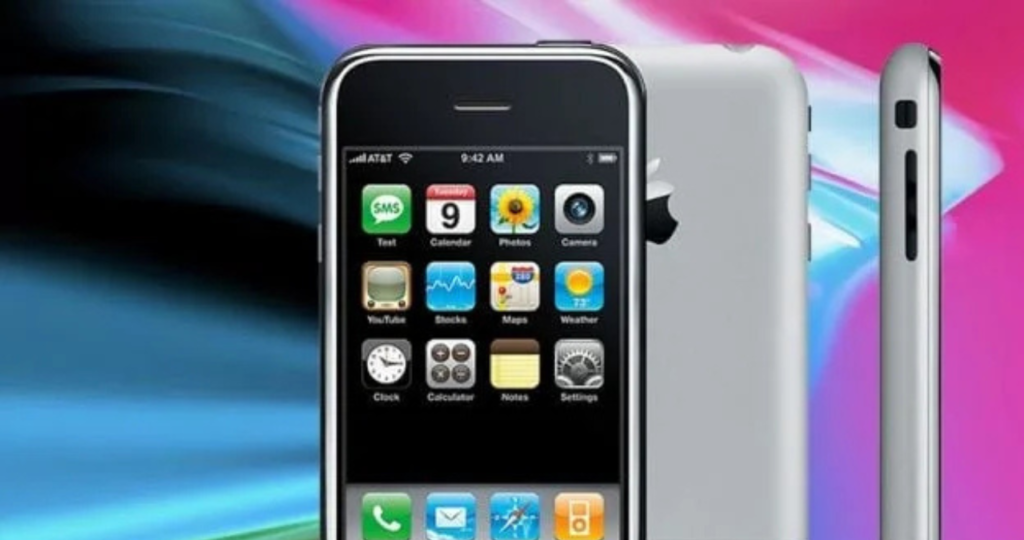
One of the biggest turning points came when Apple introduced the original iPhone in 2007. The iPhone combined a mobile phone, an internet communication device, and a multimedia player in one product.
Its touchscreen design helped change how people interacted with mobile devices. Instead of relying mainly on physical buttons and keyboards, users could interact directly with objects displayed on the screen.
The iPhone also helped popularize the idea that a phone could be a general-purpose computer.
Another important development followed with the launch of Apple’s App Store in 2008. Apps allowed developers to create software specifically for phones, opening the door to a huge range of new uses.
At that point, smartphones became much more flexible.
Android Changes the Smartphone Market
Google’s Android operating system became another major force in smartphone history.
Android gave many manufacturers a flexible platform for building smartphones. Companies could create phones with different designs, prices, screen sizes, cameras, and hardware features while using the same general operating system.
This helped smartphones spread to a much larger audience.
Competition between smartphone manufacturers also encouraged rapid innovation. Companies began improving:
- Cameras
- Screens
- Processors
- Battery technology
- Wireless connectivity
- Storage
- Security
- Voice assistants
- Mobile software
- Design
As competition increased, smartphones became more affordable and capable.
How Smartphones Became Pocket Computers
Modern smartphones are essentially small computers with cellular communication built into them.
Inside a smartphone, you’ll find many components working together. A processor handles calculations, memory stores information, sensors detect movement and environmental changes, and wireless components connect the device to networks.
A modern smartphone can perform tasks that once required several separate machines.
For example, a single device can act as a:
| Smartphone Function | What It Replaced or Simplified |
|---|---|
| Camera | Separate digital camera |
| GPS navigation | Dedicated navigation device |
| Music player | Portable music player |
| Calculator | Handheld calculator |
| Calendar | Paper calendar |
| Voice recorder | Dedicated recorder |
| Video player | Portable media player |
| Web browser | Desktop computer for basic browsing |
| Video calling device | Some traditional communication equipment |
| Digital wallet | Some physical payment methods |
This combination is one reason smartphones became so successful.
Why Touchscreens Were So Important
Touchscreens existed before modern smartphones, but smartphones helped make them part of everyday life.
A touchscreen allows people to interact directly with digital objects. Instead of pressing many physical buttons, users can tap, swipe, pinch, drag, and type on the display.
This made smartphones easier to adapt to different purposes.
A keyboard could appear when someone needed to type. A map could fill the screen when someone needed directions. A camera interface could appear when someone wanted to take a picture.
In other words, software could change the function of the device without changing the physical hardware.
That flexibility was a game changer.
The Evolution of Smartphone Cameras
Early smartphones had very basic cameras, and some early devices didn’t have cameras at all.
Over time, manufacturers realized that people wanted to capture photos and videos without carrying another device.
Smartphone cameras gradually improved through better sensors, lenses, image processing, stabilization, and software.
Today, computational photography plays a major role. Smartphones can automatically adjust exposure, combine multiple images, improve low-light photographs, and recognize different scenes.
For many people, the smartphone has become their main camera.
This is a good example of how smartphones evolved from simple communication devices into all-purpose digital tools.
Smartphones and Social Communication
Smartphones also changed how people communicate.
Traditional mobile phones made calls and text messages convenient. Smartphones took communication much further.
People can now use smartphones for:
- Instant messaging
- Video calls
- Social media
- Voice messages
- Group conversations
- Online communities
- File sharing
- Collaborative work
Communication became faster and more visual.
Instead of waiting until someone reached a computer, users could communicate from almost anywhere with an internet connection.
This shift has influenced families, businesses, schools, news organizations, and communities around the world.
Smartphones in Education and Work
Smartphones aren’t just entertainment devices. They have also become useful educational and professional tools.
Students can use them to access digital books, dictionaries, educational videos, language tools, calculators, research material, and learning platforms.
Workers can use smartphones to check email, attend meetings, manage schedules, communicate with customers, review documents, and stay connected with colleagues.
For people who don’t own a traditional computer, a smartphone can provide an important gateway to digital services.
This is particularly valuable in regions where mobile networks are easier to access than fixed internet connections.
Smartphones and Everyday Life
The influence of smartphones can be seen almost everywhere.
People use them to check the weather, order food, find directions, book transportation, pay bills, listen to music, watch videos, read the news, and stay connected with friends.
A smartphone can also serve as a personal organizer.
It can remind users about appointments, track activities, store important documents, and provide quick access to information.
Of course, this convenience comes with responsibilities. People need to protect their personal information, use strong passwords, update software, and be careful about suspicious links and applications.
Technology is most useful when it is used wisely.
Important Smartphone Milestones
The development of smartphones can be understood as a gradual journey rather than a single invention.
Here are some important milestones:
- 1992: IBM demonstrated the Simon Personal Communicator.
- 1994: IBM Simon became commercially available.
- 1990s: PDAs and mobile communication devices became increasingly popular.
- Late 1990s and early 2000s: BlackBerry helped popularize mobile email and messaging.
- 2007: Apple introduced the first iPhone.
- 2008: Apple’s App Store helped establish the modern mobile app economy.
- Late 2000s onward: Android expanded smartphone choices across many manufacturers.
- 2010s: Smartphones gained powerful cameras, larger displays, faster processors, and improved mobile networks.
- 2020s: Smartphones became highly advanced devices featuring artificial intelligence, sophisticated cameras, fast wireless networks, biometric security, and powerful mobile processors.
These milestones show that smartphone development wasn’t a straight line. Instead, many companies and engineers contributed different pieces to the larger picture.
What Made Smartphones So Successful?
Several factors helped smartphones become popular worldwide.
Convenience
Carrying one device is easier than carrying a phone, camera, music player, GPS unit, calculator, calendar, and computer separately.
Connectivity
Smartphones keep people connected to the internet and to one another.
Apps
Apps allow smartphones to perform countless specialized tasks.
Better Hardware
Faster processors, better screens, stronger cameras, and improved batteries have made smartphones increasingly powerful.
Affordable Options
As competition increased, smartphones became available at many different price levels.
Easy User Interfaces
Touchscreens and simple software made advanced technology easier for ordinary users.
Together, these factors turned smartphones into mainstream technology.
How Smartphones Continue to Evolve
The smartphone story isn’t finished.
Manufacturers continue to develop better processors, cameras, batteries, displays, wireless technologies, and artificial intelligence features.
Modern phones can use AI to improve photographs, translate languages, summarize information, recognize objects, and assist users with everyday tasks.
Foldable phones have also introduced new designs. Instead of always using a traditional flat screen, some devices can open into a larger display and then fold into a smaller shape.
Future smartphones may become even more closely connected with wearable devices, vehicles, smart homes, and other digital systems.
The exact direction is difficult to predict, but one thing is clear: smartphone technology continues to change quickly.
Common Questions About Smartphone History
Was the iPhone the first smartphone?
No. The iPhone was not the first smartphone. IBM Simon is widely recognized as one of the earliest devices that fits the smartphone definition. The iPhone was extremely important because it helped redefine the modern smartphone experience.
When did smartphones become popular?
Smartphones began gaining significant popularity during the 2000s and became mainstream as touchscreen devices and app ecosystems expanded.
What was the first smartphone called?
The IBM Simon Personal Communicator is commonly identified as the first smartphone.
Did smartphones exist before the iPhone?
Yes. Devices from IBM, BlackBerry, Nokia, and other companies offered smartphone-like features before the iPhone appeared.
Why is there debate about the first smartphone?
The word “smartphone” has changed meaning over time. Some early phones had advanced computing and communication functions, while others had only a few smart features. Because of this, historians and technology experts may use slightly different definitions.
Why Smartphone History Matters
Understanding when were smartphones invented isn’t simply about remembering an old product. It helps explain how modern digital life developed.
The smartphone is the result of decades of innovation. Engineers had to make computers smaller, improve batteries, create reliable wireless networks, develop practical displays, and design software that could operate on compact devices.
No single company created every part of the smartphone.
Instead, the technology grew through contributions from many inventors, researchers, manufacturers, software developers, and communication companies.
That is an important lesson about innovation. Big technological changes often happen because many smaller ideas come together.
The Difference Between Early and Modern Smartphones
The contrast between early smartphones and today’s devices is enormous.
Early smartphones were relatively expensive, had limited battery life, offered simple displays, and had only modest computing power. Modern smartphones can have high-resolution displays, advanced cameras, powerful processors, large storage capacities, fast wireless connections, and sophisticated software.
Yet the basic concept remains surprisingly similar.
Both early smartphones and modern smartphones try to put communication and computing into one portable device.
The hardware has changed dramatically, but the central idea has remained.
What the Future May Bring
Looking ahead, smartphones may become even more intelligent and connected.
Artificial intelligence is already becoming an important part of mobile technology. Future devices may provide more personalized assistance while handling more tasks locally and efficiently.
Battery improvements could also make devices last longer between charges. Better displays and foldable designs may create new ways to interact with mobile technology.
At the same time, privacy and security will remain important. As smartphones hold more personal information, protecting that information will become increasingly valuable.
The future of smartphones won’t only be about making devices more powerful. It will also be about making them safer, easier to use, more efficient, and more helpful.
Final Thoughts on When Were Smartphones Invented?
The question when were smartphones invented doesn’t have a single simple answer because the smartphone was built through decades of technological progress. IBM’s Simon Personal Communicator, introduced commercially in 1994, is widely regarded as one of the earliest true smartphones. Later developments from companies such as BlackBerry, Apple, Google, Nokia, and many others helped shape the devices we recognize today.
The smartphone journey shows how quickly technology can evolve. What began as a bulky combination of telephone and digital organizer eventually became a powerful pocket computer capable of handling communication, photography, entertainment, navigation, education, business, and much more.
From early mobile experiments to today’s advanced devices, the story is one of steady innovation. And when we look back at when were smartphones invented, we can see that the modern smartphone wasn’t created in a single moment—it was built piece by piece through years of creativity, engineering, and human curiosity.
Join vantage here to receive the latest news and daily updates.Categories